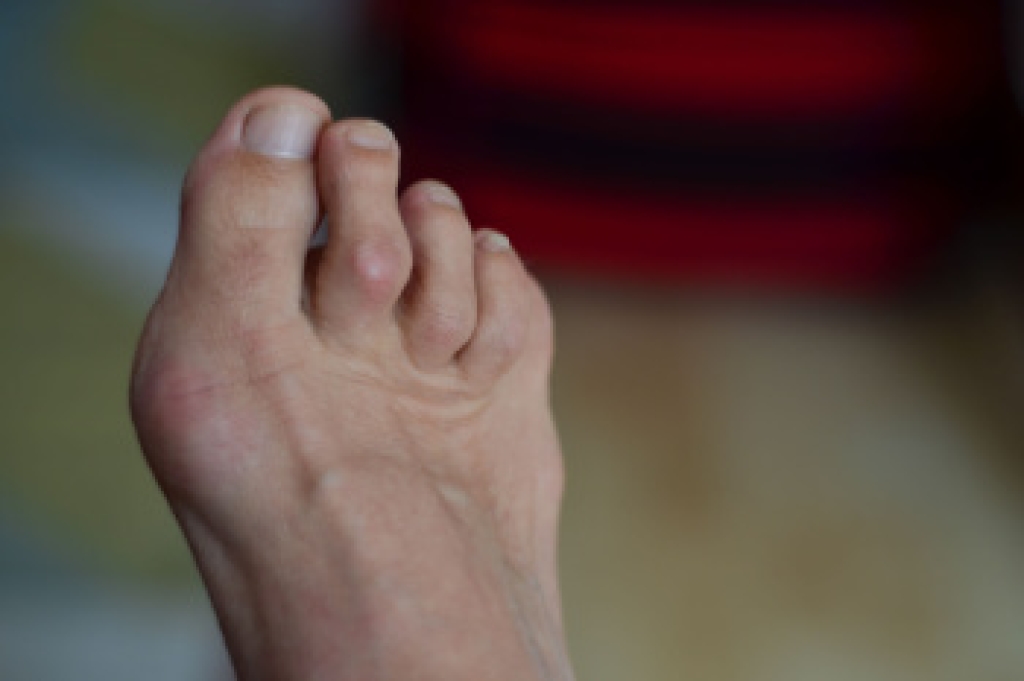
Hammertoe Explained

Hammertoe is a foot deformity that causes one or more toes to bend downward at the middle joint, creating a curled or claw-like appearance. This condition most often affects the second, third, or fourth toes and develops when the muscles, tendons, and ligaments surrounding the toe become unbalanced. A tendon imbalance can pull the toe joint out of its normal position, causing misalignment of the joint surfaces and gradual changes in toe structure. While hammertoe may begin as a flexible deformity, it can become rigid over time and lead to ongoing discomfort.

Symptoms of hammertoe can vary depending on the severity of the condition. Many people experience pain while wearing shoes because the bent toe rubs against the inside of footwear, creating pressure points. Additional symptoms include swelling, redness, and difficulty moving the affected toe. As the toe becomes more fixed, finding comfortable shoes may become increasingly challenging.


Several factors can increase the risk of developing hammertoe. Wearing tight-fitting shoes, narrow toe-box footwear, or high heels can place excessive pressure on the toes and contribute to deformity. Foot structure, genetics, and muscle imbalance, may also increase the likelihood of developing this condition. Previous toe injuries can also be a factor. Certain medical conditions, including rheumatoid arthritis, can affect the joints and contribute to toe misalignment. Injuries that damage the muscles, tendons, or ligaments of the foot may also interfere with normal toe movement and alignment.


A podiatrist can evaluate hammertoe by examining the foot, reviewing symptoms, and determining whether the deformity is flexible or rigid. Treatment options include footwear changes, padding, and stretching exercises. Custom orthotics and other conservative approaches are designed to reduce pressure and improve foot function. More advanced cases may require surgery to restore proper toe alignment and relieve pain. If you have developed hammertoe, it is suggested that you consult a podiatrist for effective relief and management solutions.

Hammertoe

Hammertoes can be a painful condition to live with. For more information, contact one of our podiatrists from Mallette Foot & Ankle . Our practitioners will answer any of your foot- and ankle-related questions.

Hammertoe is a foot deformity that affects the joints of the second, third, fourth, or fifth toes of your feet. It is a painful foot condition in which these toes curl and arch up, which can often lead to pain when wearing footwear.

Symptoms

  • Pain in the affected toes
  • Development of corns or calluses due to friction
  • Inflammation
  • Redness
  • Contracture of the toes

Causes

Genetics – People who are genetically predisposed to hammertoe are often more susceptible

Arthritis – Because arthritis affects the joints in your toes, further deformities stemming from arthritis can occur

Trauma – Direct trauma to the toes could potentially lead to hammertoe

Ill-fitting shoes – Undue pressure on the front of the toes from ill-fitting shoes can potentially lead to the development of hammertoe

Treatment

Orthotics – Custom made inserts can be used to help relieve pressure placed on the toes and therefore relieve some of the pain associated with it

Medications – Oral medications such as anti-inflammatories or NSAIDs could be used to treat the pain and inflammation hammertoes causes. Injections of corticosteroids are also sometimes used

Surgery – In more severe cases where the hammertoes have become more rigid, foot surgery is a potential option

If you have any questions, please feel free to contact our offices located in Viera and Melbourne, FL . We offer the newest diagnostic and treatment technologies for all your foot care needs.


Read more about What Are Hammertoes?

Get Proper Treatment for Ankle Injuries

If you're experiencing ankle pain, you may be suffering from an ankle injury. Sprains, fractures, Achilles tendonitis, and Achilles tendon ruptures are just some examples of potential ankle injuries. Don't wait for care for an ankle injury, as it may worsen over time. We can help!

Understanding Arthritis and Its Effects on the Feet

Arthritis in the feet can make standing and walking painful while limiting everyday activity. Two forms that can affect the feet are rheumatoid arthritis and osteoarthritis. Rheumatoid arthritis causes inflammation that can damage joints and supporting tissues. Osteoarthritis involves changes in the protective cartilage within joints. Arthritis can lead to pain, stiffness, and changes in foot structure. These problems can alter the way a patient walks and increase pressure on certain parts of the foot. Foot symptoms can become especially challenging because the feet support the body with every step.

Rheumatoid arthritis can affect the joints and ligaments that help stabilize the feet. Changes can develop in the toes, forefoot, or rearfoot. Some patients develop bunions or hammer toes as the foot changes shape. Osteoarthritis can also affect joints within the foot and contribute to pain when weight is placed on them. Research suggests that foot structure can influence how forces travel through the feet and legs. Shoes can also affect pressure on painful joints. Shoes with enough room, proper support, and a comfortable fit can help reduce stress on sensitive areas.

A podiatrist can evaluate arthritic feet by examining joint movement, foot structure, and walking patterns. The evaluation can identify areas receiving excessive pressure and determine whether changes in foot mechanics are contributing to pain. Podiatric treatment can include custom orthotics, shoe recommendations, and modifications that reduce pressure on painful areas. Orthotics can help support the foot and change how weight is distributed while walking. A podiatrist can also monitor changes in foot shape and function that can occur with arthritis. Treatment is based on the type of arthritis and the problems affecting each patient's feet. If you have symptoms of arthritic foot pain, it is suggested that you schedule an appointment with a podiatrist for diagnosis and treatment.

Arthritis can be a difficult condition to live with. If you are seeking treatment, contact one of our podiatrists from Mallette Foot & Ankle . Our practitioners can provide the care you need to keep you pain-free and on your feet.

Arthritic Foot Care  

Arthritis is a joint disorder that involves the inflammation of different joints in your body, such as those in your feet. Arthritis is often caused by a degenerative joint disease and causes mild to severe pain in all affected areas. In addition to this, swelling and stiffness in the affected joints can also be a common symptom of arthritis.

In many cases, wearing ill-fitting shoes can worsen the effects and pain of arthritis. Wearing shoes that have a lower heel and extra room can help your feet feel more comfortable. In cases of rheumatoid arthritis, the arch in your foot may become problematic. Buying shoes with proper arch support that contour to your feet can help immensely.

Alleviating Arthritic Pain

  • Exercises that stretch the foot can prevent further pain and injury and increase mobility
  • Most of the pain can be alleviated with anti-inflammatory drugs, heat, and topical medications
  • Massages can help temporarily alleviate pain.

It is best to see your doctor for the treatment that is right for your needs and symptoms. Conditions vary, and a podiatrist can help you determine the right method of care for your feet.

If you have any questions please feel free to contact our offices located in Viera and Melbourne, FL . We offer the newest diagnostic tools and technology to treat your foot and ankle needs.

Read more about Arthritic Foot Care

Foot Pain From Lupus

Foot pain from lupus is a common concern for individuals living with this chronic autoimmune condition. Lupus occurs when the immune system mistakenly attacks healthy tissues, including joints, blood vessels, and nerves in the feet. This can lead to inflammation, reduced circulation, and tissue damage. Many patients experience persistent discomfort that affects mobility and quality of life. Understanding how lupus impacts the feet is essential for early intervention and long term care. Foot pain related to lupus may also overlap with other conditions such as peripheral neuropathy or Raynaud related circulation changes.

Symptoms of foot pain from lupus often include swelling, numbness, and cold feet. Some individuals notice color changes in the toes, especially in response to cold temperatures or stress. Joint stiffness, burning sensations, and tenderness in the soles are also reported. These symptoms may come and go or worsen during lupus flares. Cold sensitivity is especially important, as reduced blood flow can increase discomfort and raise the risk of tissue injury. Paying attention to early warning signs can help prevent complications.

Several risk factors contribute to lupus-related foot pain. These include long standing autoimmune activity, poor circulation, and improper footwear. Cold environments and prolonged standing can worsen symptoms. Causes are primarily linked to inflammation of joints and blood vessels, as well as nerve irritation. Damage to small blood vessels can reduce oxygen supply to tissues, leading to cold feet and delayed healing. This makes proper foot care a critical part of managing lupus.

If you have lupus, caring for your feet involves simple, but consistent habits. Keeping feet clean and dry helps prevent infection. Wearing properly fitted, supportive shoes reduces pressure and improves alignment. Protecting feet from extreme temperatures is essential, especially in cold weather. Regular foot checks can help identify changes early. If foot pain from lupus is present, it is suggested that you consult a podiatrist for effective relief and management solutions.

Foot Pain

Foot pain can be extremely painful and debilitating. If you have a foot pain, consult with one of our podiatrists from Mallette Foot & Ankle . Our practitioners will assess your condition and provide you with quality foot and ankle treatment.

Causes

Foot pain is a very broad condition that could be caused by one or more ailments. The most common include:

  • Bunions
  • Hammertoes
  • Plantar Fasciitis
  • Bone Spurs
  • Corns
  • Tarsal Tunnel Syndrome
  • Ingrown Toenails
  • Arthritis (such as Gout, Rheumatoid, and Osteoarthritis)
  • Flat Feet
  • Injury (from stress fractures, broken toe, foot, ankle, Achilles tendon ruptures, and sprains)
  • And more

Diagnosis

To figure out the cause of foot pain, podiatrists utilize several different methods. This can range from simple visual inspections and sensation tests to X-rays and MRI scans. Prior medical history, family medical history, and any recent physical traumatic events will all be taken into consideration for a proper diagnosis.

Treatment

Treatment depends upon the cause of the foot pain. Whether it is resting, staying off the foot, or having surgery; podiatrists have a number of treatment options available for foot pain.

If you have any questions, please feel free to contact our offices located in Viera and Melbourne, FL . We offer the newest diagnostic and treatment technologies for all your foot care needs.

Read more about Foot Pain

Common Causes of Ankle Pain

Ankle pain is a frequent concern that can affect mobility and daily activities. It is defined as discomfort or inflammation in or around the ankle joint, which connects the foot to the lower leg. Several conditions can lead to ankle pain, including Achilles tendinitis, edema, arthritis, and bursitis. Each condition affects the ankle in a different way, but all can interfere with stability and movement. Understanding these causes helps individuals identify symptoms and seek appropriate care.

Symptoms of ankle pain vary depending on the underlying condition. Achilles tendinitis involves irritation of the tendon that connects the calf muscles to the heel, often causing stiffness and pain during movement. Edema refers to swelling caused by fluid buildup, which can make the ankle appear enlarged and feel tight. Arthritis involves joint inflammation, leading to stiffness, reduced range of motion, and persistent discomfort. Bursitis occurs when fluid filled sacs that cushion the joint become inflamed, causing localized pain and tenderness. These symptoms may develop gradually or appear suddenly.


Risk factors for ankle pain include overuse, aging, and underlying health conditions. Individuals who participate in repetitive activities or high impact sports may place excessive strain on the ankle. Wearing poor footwear and lack of support can also contribute to discomfort. Arthritis risk increases with age and joint wear, while edema may be linked to circulation issues. Bursitis can develop from repeated pressure or irritation. These factors can combine to increase stress on the ankle joint and surrounding tissues.


Managing ankle pain involves identifying the cause and taking steps to reduce strain. Rest, wearing supportive footwear, and proper movement techniques can help relieve symptoms. Early evaluation is important to prevent worsening conditions and maintain joint health. Addressing symptoms promptly can improve recovery and reduce long term issues. If you have ankle pain, it is suggested that you consult a podiatrist for an accurate diagnosis and appropriate treatment.

Ankle pain can have many different causes and the pain may potentially be serious. If you have ankle pain, consult with one of our podiatrists from Mallette Foot & Ankle . Our practitioners will assess your condition and provide you with quality foot and ankle treatment.

Ankle pain is any condition that causes pain in the ankle. Due to the fact that the ankle consists of tendons, muscles, bones, and ligaments, ankle pain can come from a number of different conditions.

Causes

The most common causes of ankle pain include:

  • Types of arthritis (rheumatoid, osteoarthritis, and gout)
  • Ankle sprains
  • Broken ankles
  • Achilles tendinitis
  • Achilles tendon rupture
  • Stress fractures
  • Tarsal tunnel syndrome
  • Plantar fasciitis

Symptoms

Symptoms of ankle injury vary based upon the condition. Pain may include general pain and discomfort, swelling, aching, redness, bruising, burning or stabbing sensations, and/or loss of sensation.

Diagnosis

Due to the wide variety of potential causes of ankle pain, podiatrists will utilize a number of different methods to properly diagnose ankle pain. This can include asking for personal and family medical histories and of any recent injuries. Further diagnosis may include sensation tests, a physical examination, and potentially x-rays or other imaging tests.

Treatment

Just as the range of causes varies widely, so do treatments. Some more common treatments are rest, ice packs, keeping pressure off the foot, orthotics and braces, medication for inflammation and pain, and surgery.

If you have any questions please feel free to contact our offices located in Viera and Melbourne, FL . We offer the newest diagnostic tools and technology to treat your foot and ankle needs.

Read more about Ankle Pain
scroll to top