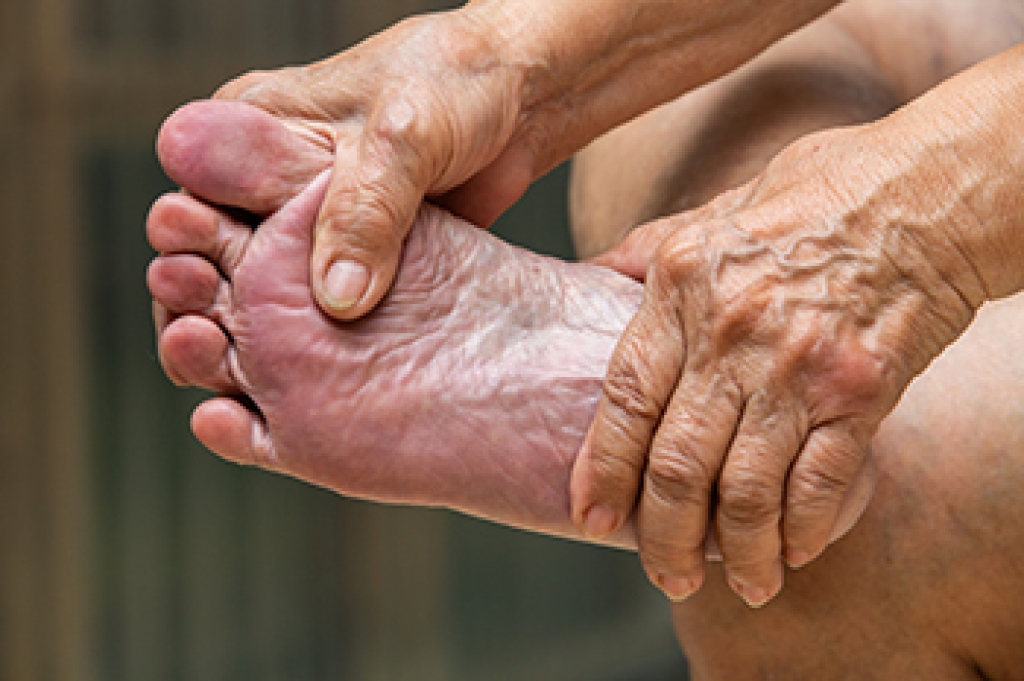
Common Foot Problems in Older Adults

Foot problems in older adults are common due to natural aging changes, reduced circulation, and long-term wear on joints and soft tissues. These conditions can affect mobility, balance, and overall independence. Arthritis is one of the most frequent concerns, and is defined as inflammation within the joints that leads to pain and stiffness. Bunions are structural deformities where the big toe shifts toward the second toe, creating a bony bump at the base. Hammertoes occur when the smaller toes bend abnormally at the joints. Diabetes-related foot complications involve nerve damage and poor circulation that increase the risk of wounds and infection.

Symptoms vary depending on the condition, but often include pain, swelling, stiffness, and visible changes in foot shape. Individuals with arthritis may notice joint tenderness and limited motion. Bunions can cause redness and irritation, especially when wearing tight shoes. Hammertoes may lead to corns and pressure points. Diabetes-related conditions can present with numbness, tingling, or slow-healing wounds. These symptoms can worsen without proper care and lead to reduced mobility.


Risk factors for these foot problems include advancing age, decreased bone density, and long-term joint stress. Wearing poor footwear, lack of physical activity, and chronic medical conditions such as diabetes can also contribute. Circulatory issues and nerve damage can further increase complications, especially in individuals with diabetes. Over time, these factors place added strain on the feet and increase the likelihood of deformity and injury.


Managing foot health in older adults involves early detection and proper support. Wearing well-fitted shoes with adequate cushioning can reduce pressure and improve comfort. Regular foot checks are important for identifying changes before they become severe. Treatment may include orthotics, activity modification, and medical care. If you have foot problems related to age, it is suggested that you consult a podiatrist for effective relief, treatment, and management solutions.

If you need your feet checked, contact one of our podiatrists of Mallette Foot & Ankle . Our practitioners will attend to all of your foot and ankle needs and provide you with quality treatment.

Geriatrics and Podiatry
When people age, some common issues that may occur are bone density loss, dry skin, poor circulation, and rough brittle nails. These issues may also affect your foot health if the necessary steps are not taken to alleviate the problems.

It is important to take care of your feet because feet that are injured or diseased can affect your overall health. Having painful feet hinders your ability to do daily activities or may decrease your willingness to do the things that you need to do.

Visiting Your Geriatrician
As we age, health problems become more likely, so it is essential to visit your doctor for check-ups to ensure that you are doing the best you can to take care of your health. It is recommended to check your feet frequently for any possible cuts, bruises, swelling, corns or any other irregularities. 

Taking Care of Elderly Feet
Cracked or dry feet can be treated by applying moisturizer often. It is also important not to wear old socks because the older the sock is, the higher the possibility there will be that there is bacteria there. Wear fresh socks and make sure they fit properly.

Proper foot health means that you can have a more active lifestyle and you will not be bogged down by pain. Foot health also leads to good circulation, which is paramount for overall health.

If you have any questions, please feel free to contact our offices located in Viera and Melbourne, FL . We offer the newest diagnostic and treatment technologies for all your foot care needs.
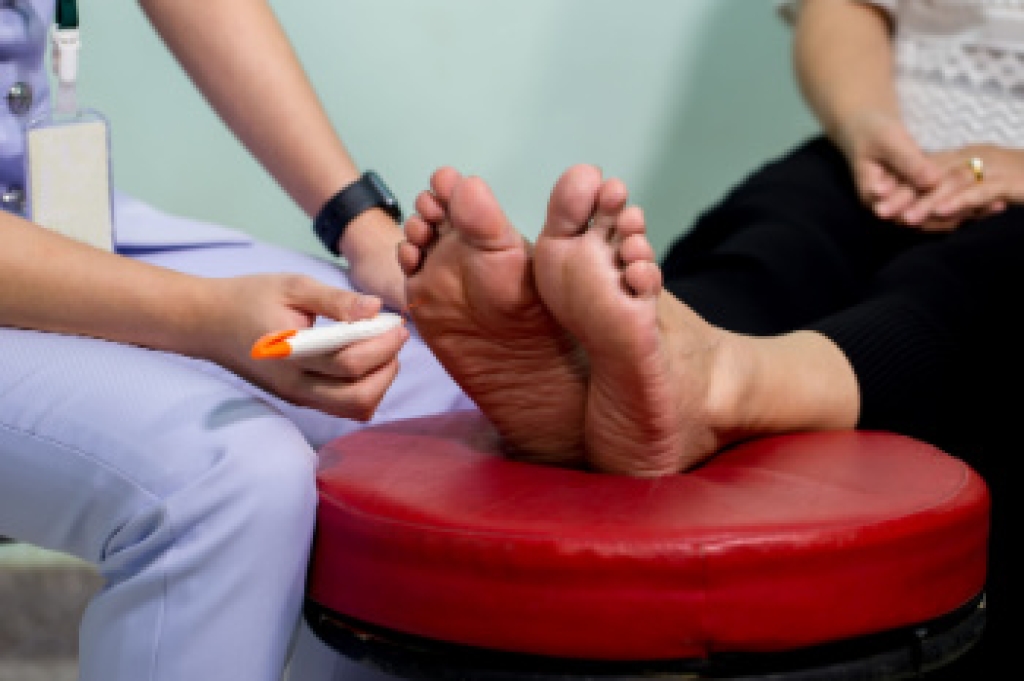

Read more about Elderly Foot Care

How Peripheral Neuropathy Affects the Feet

Peripheral neuropathy develops when nerves outside the brain and spinal cord become damaged. These nerves carry messages between the brain, feet, and the rest of the body. When the nerves do not work correctly, they can send the wrong signals or fail to send signals at all. This problem frequently affects the feet first because the longest nerves travel to the toes. Symptoms include numbness, burning pain, or sharp discomfort. Some patients also notice weakness or a reduced ability to feel heat, cold, or pressure. Balance can become less steady because the feet cannot sense the ground as well while walking. Among the leading causes of peripheral neuropathy is high blood sugar from diabetes. 

A podiatrist plays an important role in diagnosing peripheral neuropathy and preserving foot health. Diagnosis begins with a medical history and a careful foot examination. The podiatrist checks sensation, strength, and circulation. Additional testing can help measure how well the nerves are working or identify another condition causing the symptoms. Regular foot evaluations help detect skin changes, pressure areas, and small injuries before they become more serious. Early diagnosis also helps reduce the risk of infections and other complications that can threaten foot health. Patients with reduced feeling benefit from professional monitoring because even minor foot problems can become more difficult to manage when sensation is limited.

Treatment focuses on the cause of the nerve damage and protecting the feet from further problems. A podiatrist provides routine foot care and treats wounds. This foot doctor also recommends custom orthotics or shoes that provide proper support while reducing pressure on sensitive areas. Additionally, the podiatrist monitors changes in sensation and foot structure while helping lower the risk of ulcers and other complications. Consistent podiatric care supports comfort, mobility, and safer movement while walking. If you have symptoms of peripheral neuropathy, it is suggested that you schedule an appointment with a podiatrist for a diagnosis and appropriate treatment.

Neuropathy

Neuropathy can be a potentially serious condition, especially if it is left undiagnosed. If you have any concerns that you may be experiencing nerve loss in your feet, consult with one of our podiatrists from Mallette Foot & Ankle . Our practitioners will assess your condition and provide you with quality foot and ankle treatment for neuropathy.

What Is Neuropathy?

Neuropathy is a condition that leads to damage to the nerves in the body. Peripheral neuropathy, or neuropathy that affects your peripheral nervous system, usually occurs in the feet. Neuropathy can be triggered by a number of different causes. Such causes include diabetes, infections, cancers, disorders, and toxic substances.

Symptoms of Neuropathy Include:

  • Numbness
  • Sensation loss
  • Prickling and tingling sensations
  • Throbbing, freezing, burning pains
  • Muscle weakness

Those with diabetes are at serious risk due to being unable to feel an ulcer on their feet. Diabetics usually also suffer from poor blood circulation. This can lead to the wound not healing, infections occurring, and the limb may have to be amputated.

Treatment

To treat neuropathy in the foot, podiatrists will first diagnose the cause of the neuropathy. Figuring out the underlying cause of the neuropathy will allow the podiatrist to prescribe the best treatment, whether it be caused by diabetes, toxic substance exposure, infection, etc. If the nerve has not died, then it’s possible that sensation may be able to return to the foot.

Pain medication may be issued for pain. Electrical nerve stimulation can be used to stimulate nerves. If the neuropathy is caused from pressure on the nerves, then surgery may be necessary.

If you have any questions, please feel free to contact our offices located in Viera and Melbourne, FL . We offer the newest diagnostic and treatment technologies for all your foot care needs.
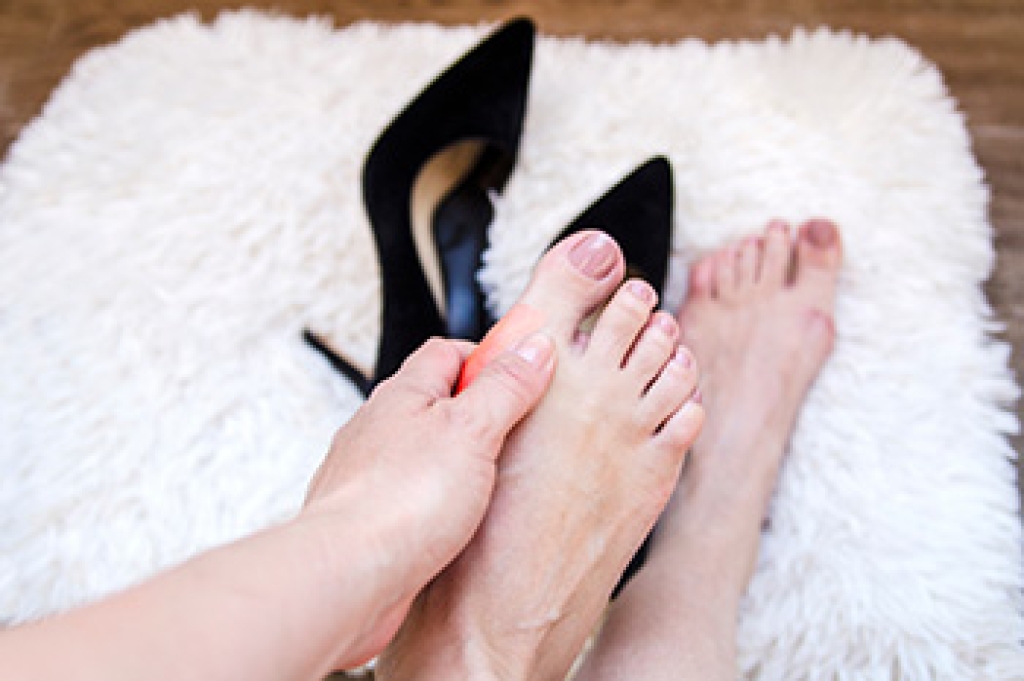
Read more about Neuropathy

Ankle Fracture? Don’t Wait for Treatment

If you're suffering from an ankle fracture, professional attention shouldn't wait. Fractures may worsen over time and can make completing everyday activities incredibly difficult. See your specialist for treatment and guidance through the healing process. 

How High Heels Affect Foot Health

High heels have long been associated with beauty, style, and confidence, but they can also place extra stress on the feet and the rest of the body. Raising the heel shifts body weight forward and increases pressure on the toes and the ball of the foot. The higher the heel, the greater the force placed on these areas. This added pressure can lead to painful problems like corns, calluses, blisters, and pinched nerves. High heels can also contribute to heel pain, stiffness, or discomfort while walking. Narrow shoes can crowd the toes and increase the risk of hammertoes and bunions, which are painful deformities of the big toe.

Unfortunately, the negative effects of high heels extend beyond the feet. Keeping the foot pointed downward places the both calf muscles and the Achilles tendon in a shortened position. This can contribute to Achilles tendon pain and Haglund's deformity, a painful bony bump on the back of the heel. Walking in high heels also changes the way the knees move and absorb force. This places extra strain on the knee joints and muscles. The hips and lower back also adjust to maintain balance. As the body's center of gravity shifts forward, the back arches more than normal.

A podiatrist can evaluate the effects wearing high heels has had on your feet and ankles and identify problems before they become more serious. Treatment includes a detailed examination, diagnostic imaging when appropriate, and recommendations for shoes that provide proper support. A podiatrist also treats bunions, hammertoes, and other conditions caused or made worse by high heels. In some cases, surgery is the best option to restore comfort and improve foot function. If you have foot or ankle pain after wearing high heels, it is suggested that you schedule an appointment with a podiatrist for a diagnosis and appropriate treatment.

High heels have a history of causing foot and ankle problems. If you have any concerns about your feet or ankles, contact one of our podiatrists from Mallette Foot & Ankle . Our practitioners can provide the care you need to keep you pain-free and on your feet.

Effects of High Heels on the Feet

High heels are popular shoes among women because of their many styles and societal appeal.  Despite this, high heels can still cause many health problems if worn too frequently.

Which Parts of My Body Will Be Affected by High Heels?

  • Ankle Joints
  • Achilles Tendon – May shorten and stiffen with prolonged wear
  • Balls of the Feet
  • Knees – Heels cause the knees to bend constantly, creating stress on them
  • Back – They decrease the spine’s ability to absorb shock, which may lead to back pain.  The vertebrae of the lower back may compress.

What Kinds of Foot Problems Can Develop from Wearing High Heels?

  • Corns
  • Calluses
  • Hammertoe
  • Bunions
  • Morton’s Neuroma
  • Plantar Fasciitis

How Can I Still Wear High Heels and Maintain Foot Health?

If you want to wear high heeled shoes, make sure that you are not wearing them every day, as this will help prevent long term physical problems.  Try wearing thicker heels as opposed to stilettos to distribute weight more evenly across the feet.  Always make sure you are wearing the proper shoes for the right occasion, such as sneakers for exercising.  If you walk to work, try carrying your heels with you and changing into them once you arrive at work.  Adding inserts to your heels can help cushion your feet and absorb shock. Full foot inserts or metatarsal pads are available. 

If you have any questions, please feel free to contact our offices located in Viera and Melbourne, FL . We offer the newest diagnostic and treatment technologies for all your foot care needs.
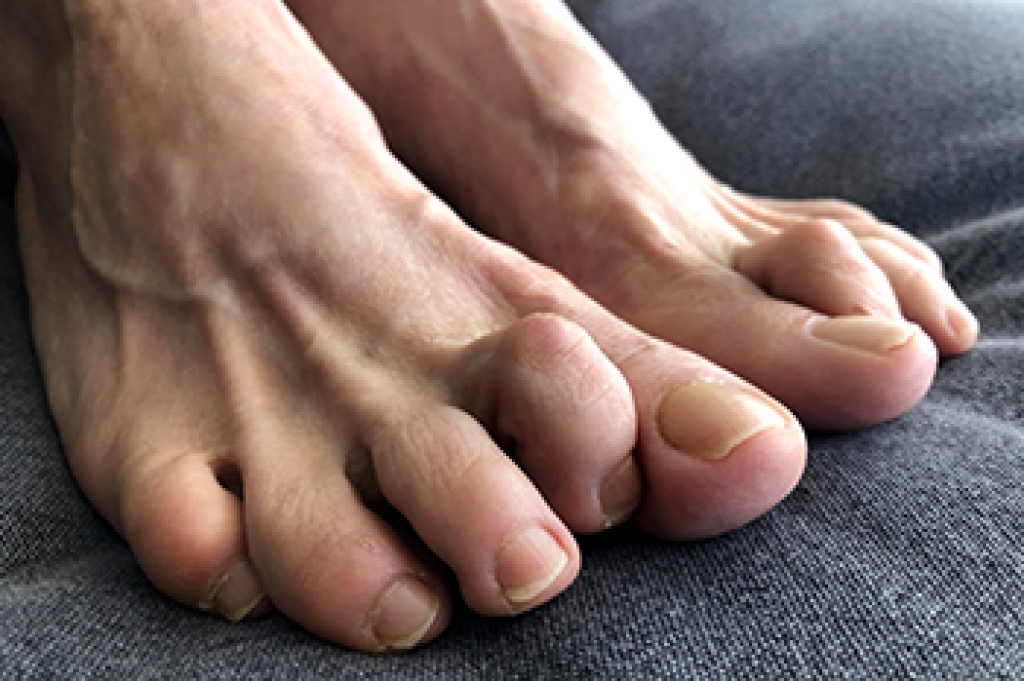
Read more about Effect of High Heels on the Feet

Risk Factors and Treatment of Hammertoe

Hammertoe is a deformity that causes a toe to bend downward at its middle joint instead of lying flat. It most often affects the second, third, or fourth toe. In some cases, the toe remains flexible at first, but it can become stiff and more difficult to straighten as the deformity progresses. Hammertoe can develop when muscles and tendons that control toe movement become unbalanced. This places extra pressure on the joints and causes the toe to curl. Other contributing factors include injuries, arthritis, diabetes, and wearing shoes that are too tight. Shoes with high heels can also force the toes into a cramped position and increase stress on the joints.

People with a hammertoe frequently notice pain while wearing shoes because the bent toe rubs against the inside of the shoe. Symptoms include tenderness, redness, and swelling surrounding the affected joint. Corns and calluses can develop where the toe rubs against shoes or neighboring toes. Some people experience stiffness and difficulty moving the affected toe. As the deformity becomes more severe, it may be painful to walk and stand. A podiatrist can diagnose hammertoe through a physical examination of the foot and toes. X-rays are sometimes used to evaluate the position of the bones and joints and to determine the severity of the deformity.

Treatment depends on how flexible the toe remains and how advanced the condition has become. A podiatrist can recommend shoes with a wider toe box to reduce pressure on the affected area. Custom orthotics, which are shoe inserts designed to improve foot function, can help relieve strain on the joints. Padding and other supportive devices can also improve comfort. When the toe becomes rigid or if pain persists, surgery can straighten the toe and restore a more natural position. Early evaluation can help prevent worsening deformity and reduce long-term discomfort. If you have a painful hammertoe, it is suggested that you schedule an appointment with a podiatrist for diagnosis and appropriate treatment.

Hammertoes can be a painful condition to live with. For more information, contact one of our podiatrists of Mallette Foot & Ankle . Our practitioners will answer any of your foot- and ankle-related questions.

Hammertoe

Hammertoe is a foot deformity that occurs due to an imbalance in the muscles, tendons, or ligaments that normally hold the toe straight. It can be caused by the type of shoes you wear, your foot structure, trauma, and certain disease processes.

Symptoms

  • Painful and/or difficult toe movement
  • Swelling
  • Joint stiffness
  • Calluses/Corns
  • Physical deformity

Risk Factors

  • Age – The risk of hammertoe increases with age
  • Sex – Women are more likely to have hammertoe compared to men
  • Toe Length – You are more likely to develop hammertoe if your second toe is longer than your big toe
  • Certain Diseases – Arthritis and diabetes may make you more likely to develop hammertoe

Treatment

If you have hammertoe, you should change into a more comfortable shoe that provides enough room for your toes. Exercises such as picking up marbles may strengthen and stretch your toe muscles. Nevertheless, it is important to seek assistance from a podiatrist in order to determine the severity of your hammertoe and see which treatment option will work best for you.

If you have any questions, please feel free to contact our offices located in Viera and Melbourne, FL . We offer the newest diagnostic and treatment technologies for all your foot care needs.

Read more about Hammertoe
scroll to top