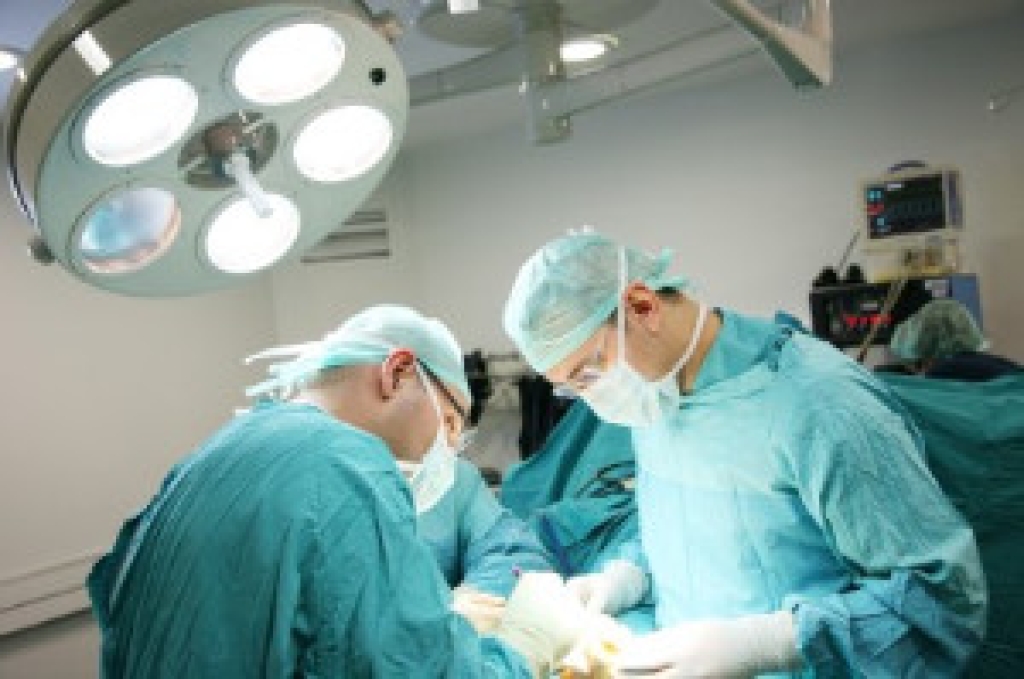
Recovery From Hammertoe and Bunion Surgery

Hammertoe and bunion surgery are common procedures used to correct deformities in the toes and forefoot. A hammertoe occurs when a toe becomes bent at the middle joint. A bunion is a bony prominence that forms at the base of the big toe due to joint misalignment. Surgery is often recommended when pain, stiffness, or difficulty wearing shoes are caused by these deformities. Recovery is an essential part of the process and requires careful attention to protect the surgical site and promote proper healing.

After surgery, symptoms such as swelling, discomfort, and limited mobility are expected during the early stages of recovery. The foot may appear red or tender, and walking may be restricted depending on the procedure performed. Controlling swelling is a key focus, as excessive inflammation can delay healing. Elevating the foot and following post-operative instructions can help manage these symptoms. It is also important to monitor for signs of infection, including increased redness or drainage, and report concerns promptly.


Risk factors that may affect recovery include poor circulation, underlying health conditions, and not following care guidelines. One of the most important steps is keeping the foot clean and dry. Avoiding moisture helps prevent infection and protects surgical dressings. Patients are often advised to avoid getting their feet wet until cleared by their provider. Wearing proper shoes that provide support and limit pressure on the surgical area is also critical. Ill-fitting footwear can disrupt healing and cause unnecessary strain.


Successful recovery depends on a combination of rest, proper hygiene, and gradual return to activity. Following medical guidance ensures that the corrected alignment is maintained and complications are minimized. Rehabilitation may include gentle movement and supportive devices as healing progresses. If you have had hammertoe or bunion surgery, it is suggested you consult with your podiatrist for additional recovery guidance. 

Foot surgery is sometimes necessary to treat a foot ailment. To learn more, contact one of our podiatrists of Mallette Foot & Ankle . Our practitioners will assist you with all of your foot and ankle needs.

When Is Surgery Necessary?

Foot and ankle surgery is generally reserved for cases in which less invasive, conservative procedures have failed to alleviate the problem. Some of the cases in which surgery may be necessary include:

  • Removing foot deformities like bunions and bone spurs
  • Severe arthritis that has caused bone issues
  • Cosmetic reconstruction

What Types of Surgery Are There?

The type of surgery you receive will depend on the nature of the problem you have. Some of the possible surgeries include:

  • Bunionectomy for painful bunions
  • Surgical fusion for realignment of bones
  • Neuropathy decompression surgery to treat nerve damage

Benefits of Surgery

Although surgery is usually a last resort, it can provide more complete pain relief compared to non-surgical methods and may allow you to finally resume full activity.

Surgical techniques have also become increasingly sophisticated. Techniques like endoscopic surgery allow for smaller incisions and faster recovery times.

If you have any questions, please feel free to contact our offices located in Viera and Melbourne, FL . We offer the newest diagnostic and treatment technologies for all your foot care needs.
Read more about Foot and Ankle Surgery

Dealing With Blisters on the Feet

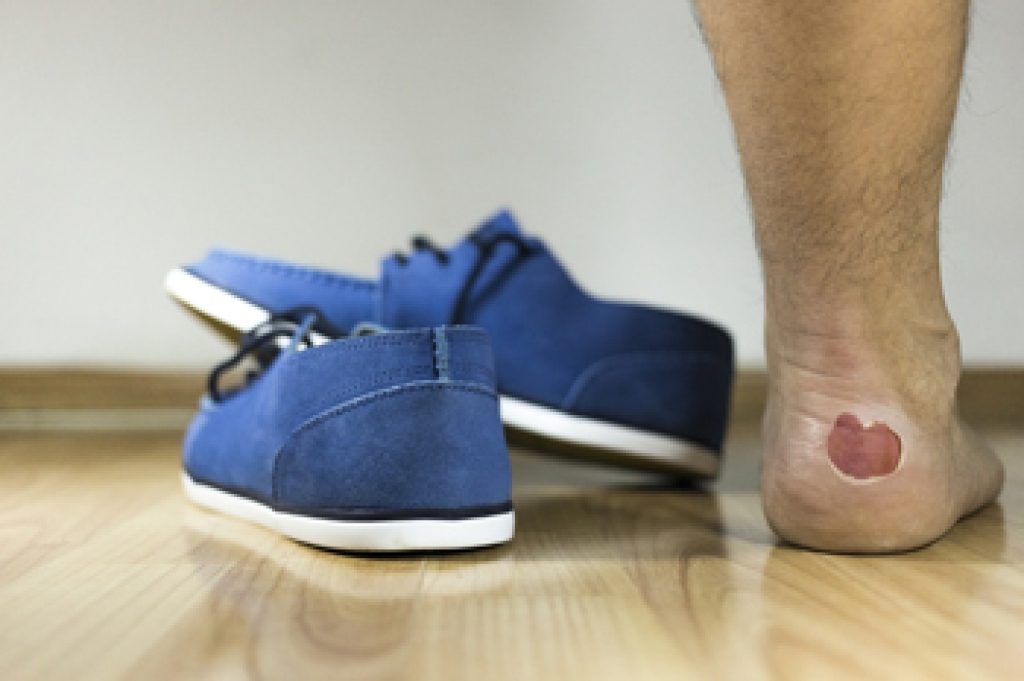
Foot blisters develop when repeated rubbing or pressure damages the skin. They often occur after long periods of walking, running, or wearing shoes that do not fit properly. Tight shoes, rough seams, and sudden increases in physical activity can all increase the risk. Moisture from sweaty feet can soften the skin and make it easier for blisters to form. Meanwhile, very dry skin may be more likely to crack and become irritated. Certain foot deformities, such as bunions, hammertoes, or other bony prominences, can create pressure points that lead to friction. The way a person walks can also cause excessive rubbing in specific areas of the foot. Some medical conditions, including diabetes, poor circulation, and nerve damage, may make blisters more likely. They also can prevent a person from noticing skin damage right away. A podiatrist can identify the cause of recurring blisters and recommend treatments to protect the skin and improve foot comfort. If foot blisters are a frequent problem, it is suggested that you schedule an appointment with a podiatrist.

Blisters may appear as a single bubble or in a cluster. They can cause a lot of pain and may be filled with pus, blood, or watery serum. If your feet are hurting, contact one of our podiatrists of Mallette Foot & Ankle . Our practitioners can provide the care you need to keep you pain-free and on your feet.

Foot Blisters

Foot blisters are often the result of friction. This happens due to the constant rubbing from shoes, which can lead to pain.

What Are Foot Blisters?

A foot blister is a small fluid-filled pocket that forms on the upper-most layer of the skin. Blisters are filled with clear fluid and can lead to blood drainage or pus if the area becomes infected.

Symptoms

(Blister symptoms may vary depending on what is causing them)

  • Bubble of skin filled with fluid
  • Redness
  • Moderate to severe pain
  • Itching

Prevention & Treatment

In order to prevent blisters, you should be sure to wear comfortable shoes with socks that cushion your feet and absorb sweat. Breaking a blister open may increase your chances of developing an infection. However, if your blister breaks, you should wash the area with soap and water immediately and then apply a bandage to the affected area. If your blisters cause severe pain it is important that you call your podiatrist right away.

If you have any questions, please feel free to contact our offices located in Viera and Melbourne, FL . We offer the newest diagnostic and treatment technologies for all your foot care needs.
Read more about Blisters

Understanding Clubfoot in Children

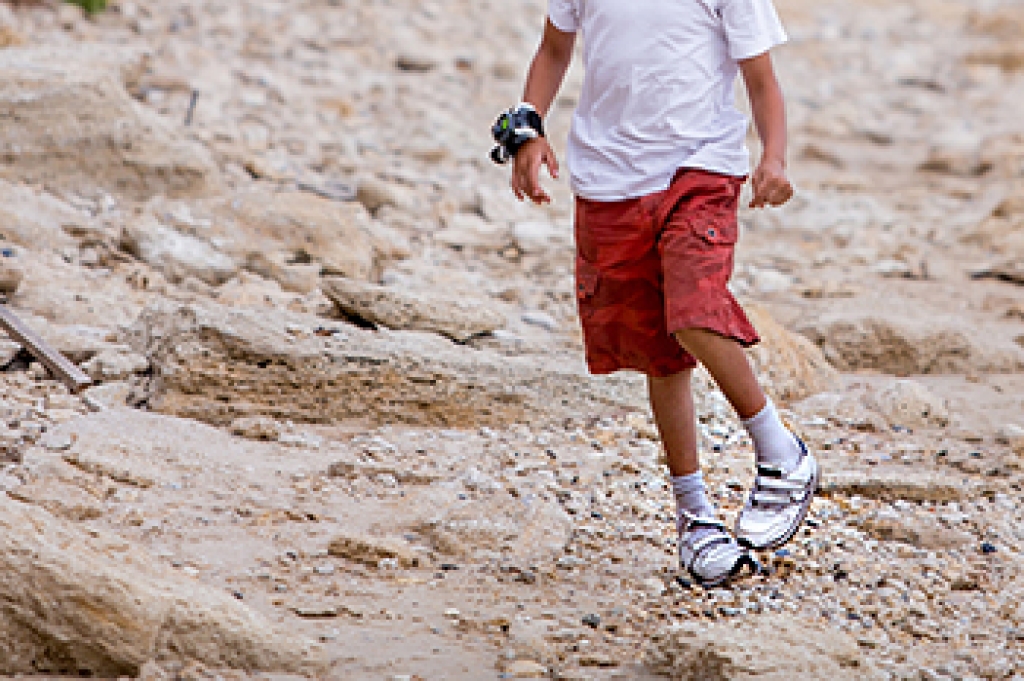
Clubfoot is a condition present at birth where a baby’s foot is twisted out of its normal position, often pointing downward and inward. It can affect one or both feet and may appear smaller or tighter than usual. The exact cause is not always known, but it is linked to abnormal development of muscles, tendons, and bones in the foot before birth. Risk factors may include family history, certain genetic conditions, or limited space in the womb during pregnancy. Without treatment, walking may become difficult as the child grows and the foot remains stiff or misaligned. Early treatment is important, and often involves stretching, casting, bracing, or other corrective methods guided by a specialist. A podiatrist can help assess severity, monitor progress, and support long term foot function and alignment. If your child has been born with this condition, it is suggested that you include a podiatrist on your healthcare team for optimal support and corrective healing.

Congenital foot problems require immediate attention to avoid future complications. If you have any concerns, contact one of our podiatrists of Mallette Foot & Ankle . Our practitioners can provide the care you need to keep you pain-free and on your feet.

Congenital foot problems are deformities affecting the feet, toes, and/or ankles that children are born with. Some of these conditions have a genetic cause while others just happen. Some specific foot ailments that children may be born with include clubfeet, polydactyly/macrodactyly, and cleft foot. There are several other foot anomalies that can occur congenitally. What all of these conditions have in common is that a child may experience difficulty walking or performing everyday activities, as well as trouble finding footwear that fits their foot deformity. Some of these conditions are more serious than others. Consulting with a podiatrist as early as possible will help in properly diagnosing a child’s foot condition while getting the necessary treatment underway.

What are Causes of Congenital Foot Problem?

A congenital foot problem is one that happens to a child at birth. These conditions can be caused by a genetic predisposition, developmental or positional abnormalities during gestation, or with no known cause.

What are Symptoms of Congenital Foot Problems?

Symptoms vary by the congenital condition. Symptoms may consist of the following:

  • Clubfoot, where tendons are shortened, bones are shaped differently, and the Achilles tendon is tight, causing the foot to point in and down. It is also possible for the soles of the feet to face each other.
  • Polydactyly, which usually consists of a nubbin or small lump of tissue without a bone, a toe that is partially formed but has no joints, or an extra toe.
  • Vertical talus, where the talus bone forms in the wrong position causing other bones in the foot to line up improperly, the front of the foot to point up, and the bottom of the foot to stiffen, with no arch, and to curve out.
  • Tarsal coalition, when there is an abnormal connection of two or more bones in the foot leading to severe, rigid flatfoot.
  • Cleft foot, where there are missing toes, a V-shaped cleft, and other anatomical differences.
  • Macrodactyly, when the toes are abnormally large due to overgrowth of the underlying bone or soft tissue.

Treatment and Prevention

While there is nothing one can do to prevent congenital foot problems, raising awareness and receiving neonatal screenings are important. Early detection by taking your child to a podiatrist leads to the best outcome possible.

If you have any questions, please feel free to contact our offices located in Viera and Melbourne, FL . We offer the newest diagnostic and treatment technologies for all your foot care needs.
Read more about Congenital Foot Problems

Inspect Your Feet Regularly for Abnormalities if You're Diabetic

Diabetic patients often have decreased sensitivity in their feet, which makes a visual inspection of the feet even more important. If you're diabetic, having periodic screenings is extremely important for maintaining the overall health of your feet. 

When Baby Has an Ingrown Toenail

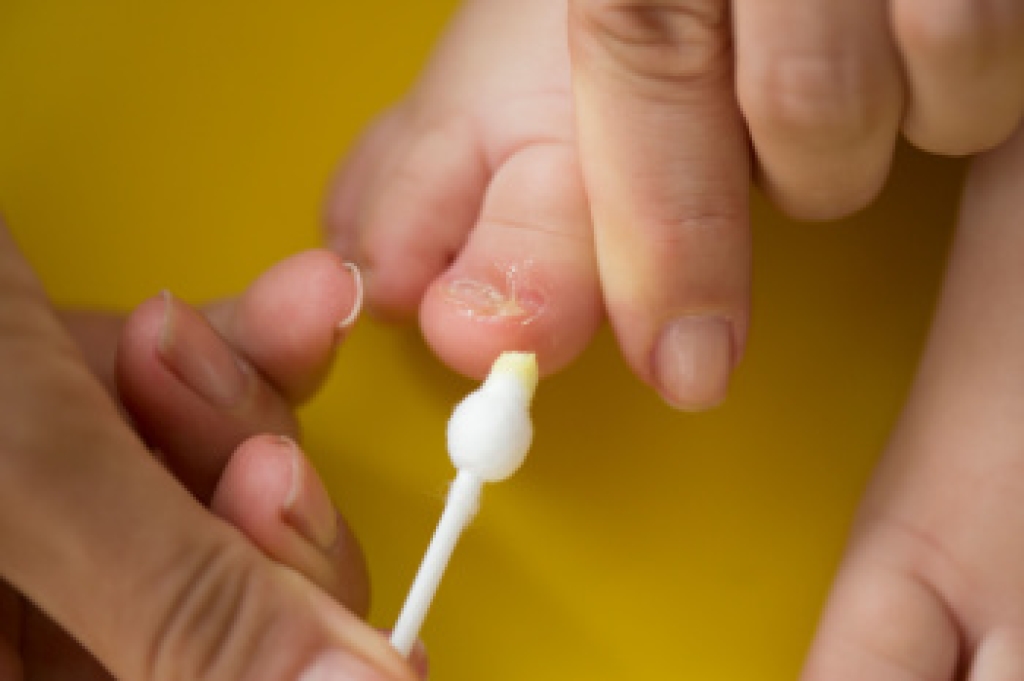
Babies can develop ingrown toenails when the edge of the nail grows into the surrounding skin. This problem usually affects the big toe and can cause redness, swelling, and tenderness. Your baby may cry when the toe is touched. Older children may limp or avoid wearing shoes because of pain.  wearing tight socks, fast-growing nails, and trimming nails too short can increase the risk of an ingrown toenail. A podiatrist can examine the toe and check for signs of infection. Symptoms include warmth, pus, or spreading redness. Treatment includes carefully lifting the nail away from the skin and reducing pressure on the toe. The podiatrist may also recommend shoes or socks that fit more comfortably. Information on nail trimming may be given to help prevent recurrence. Prompt treatment helps relieve discomfort and lowers the chance of infection. If your child has signs of an ingrown toenail, it is suggested that you promptly schedule an appointment with a podiatrist for effective treatment solutions.

Ingrown toenails can become painful if they are not treated properly. For more information about ingrown toenails, contact one of our podiatrists of Mallette Foot & Ankle . Our practitioners can provide the care you need to keep you pain-free and on your feet.

Ingrown Toenails

Ingrown toenails occur when a toenail grows sideways into the bed of the nail, causing pain, swelling, and possibly infection.

Causes

  • Bacterial infections
  • Improper nail cutting such as cutting it too short or not straight across
  • Trauma to the toe, such as stubbing, which causes the nail to grow back irregularly
  • Ill-fitting shoes that bunch the toes too close together
  • Genetic predisposition

Prevention

Wearing proper fitting shoes and using proper cutting techniques will also help decrease your risk of developing ingrown toenails.

Treatment

Ingrown toenails are a very treatable foot condition. In minor cases, soaking the affected area in salt or antibacterial soaps will not only help with the ingrown nail itself, but also help prevent any infections from occurring. In more severe cases, surgery is an option. In either case, speaking to your podiatrist about this condition will help you get a better understanding of specific treatment options that are right for you.

If you have any questions, please feel free to contact our offices located in Viera and Melbourne, FL . We offer the newest diagnostic and treatment technologies for all your foot care needs.

Read more about Ingrown Toenail Care
scroll to top