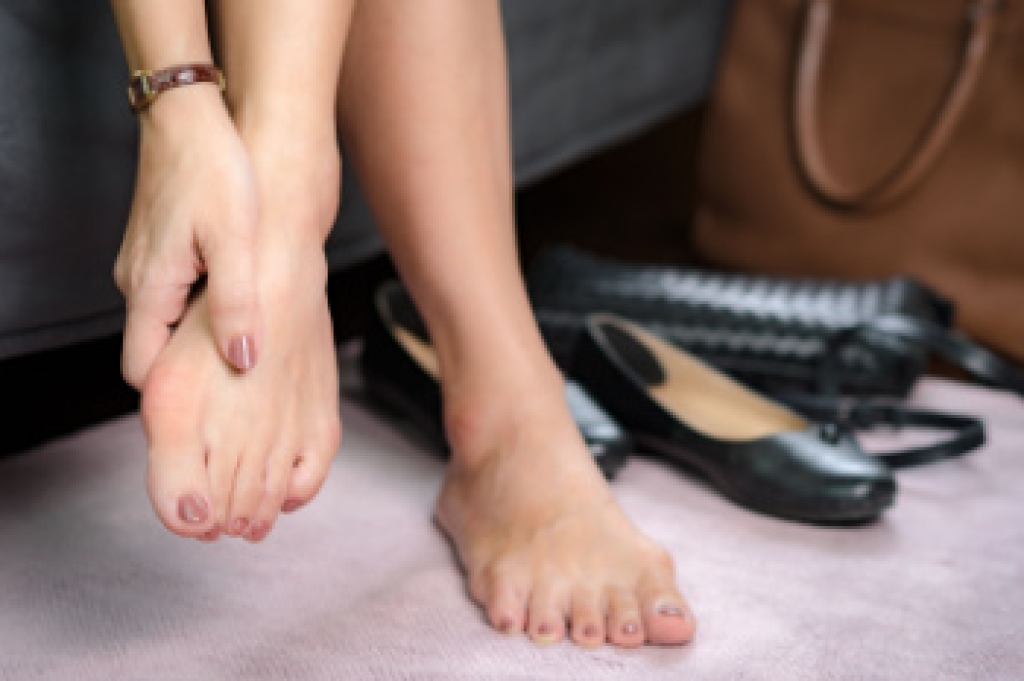
Slowing the Progression of Bunions

A bunion is a bony bump that forms at the base of the big toe as the joint gradually shifts out of alignment. While bunions may worsen over time, certain steps can help reduce stress on the joint and slow progression. Wearing shoes with a wide toe box can help limit pressure that pushes the toes inward. Wearing supportive footwear and custom orthotics may improve foot mechanics and reduce strain during walking. Maintaining a healthy activity routine while avoiding repetitive pressure that increases pain may also help. In some cases, strengthening and stretching exercises may improve joint function and comfort. A podiatrist can evaluate the severity of the bunion, assess walking patterns, and recommend strategies based on your foot structure and symptoms. Early management may help delay worsening and reduce discomfort during daily activity. If you notice a bunion becoming more painful or more noticeable, it is suggested that you visit a podiatrist who can help you to manage this condition.

If you are suffering from bunion pain, contact one of our podiatrists of Mallette Foot & Ankle . Our practitioners can provide the care you need to keep you pain-free and on your feet.

What Is a Bunion?

Bunions are painful bony bumps that usually develop on the inside of the foot at the joint of the big toe. As the deformity increases over time, it may become painful to walk and wear shoes. Women are more likely to exacerbate existing bunions since they often wear tight, narrow shoes that shift their toes together. Bunion pain can be relieved by wearing wider shoes with enough room for the toes.

Causes

  • Genetics – some people inherit feet that are more prone to bunion development
  • Inflammatory Conditions - rheumatoid arthritis and polio may cause bunion development

Symptoms

  • Redness and inflammation
  • Pain and tenderness
  • Callus or corns on the bump
  • Restricted motion in the big toe

In order to diagnose your bunion, your podiatrist may ask about your medical history, symptoms, and general health. Your doctor might also order an x-ray to take a closer look at your feet. Nonsurgical treatment options include orthotics, padding, icing, changes in footwear, and medication. If nonsurgical treatments don’t alleviate your bunion pain, surgery may be necessary.

If you have any questions, please feel free to contact our offices located in Viera and Melbourne, FL . We offer the newest diagnostic and treatment technologies for all your foot care needs.
Read more about Bunions

Cracked Heels and Their Link to Diabetes

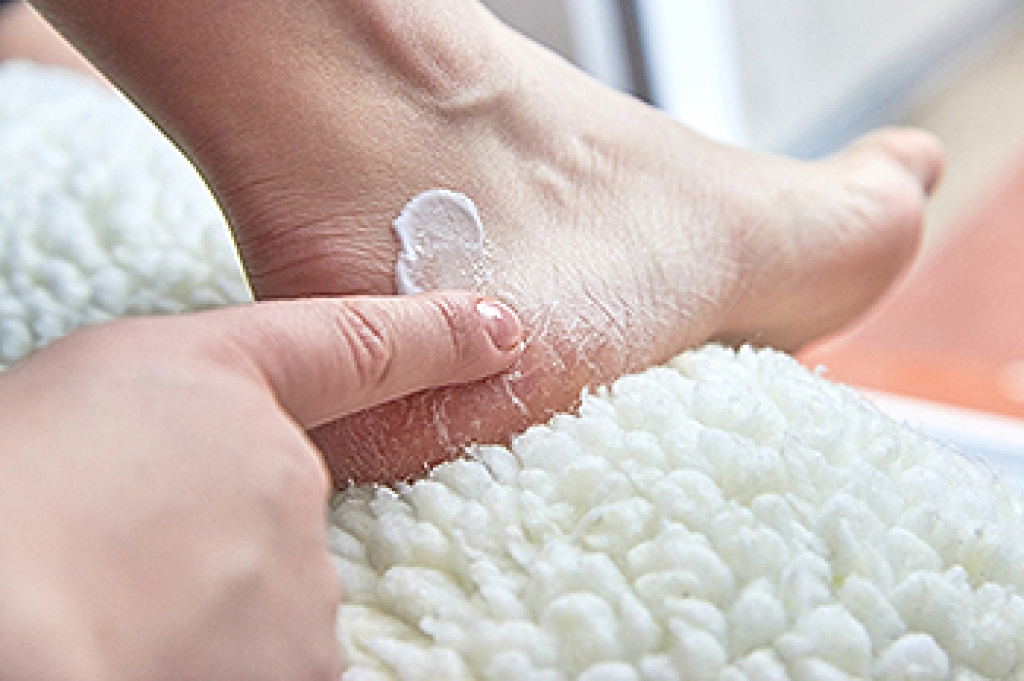
Cracked heels refer to dry, thickened skin on the feet that splits due to pressure and lack of moisture. This condition can be more serious for individuals with diabetes, as nerve damage in the feet may reduce sensation and delay awareness of injury. Symptoms often include flaky skin, visible fissures, inflammation, and varying levels of pain from mild discomfort to severe tenderness. In advanced cases, ulcers may develop and increase the risk of infection. Risk factors include poor circulation, prolonged standing, improper footwear, and unmanaged blood sugar levels. A podiatrist can evaluate the severity, provide treatment, and prevent complications through specialized care. Seeking professional attention early can protect foot health and overall well-being. If you have diabetes and have developed cracked heels, it is suggested that you are under the care of a podiatrist who can provide effective treatment solutions, which may include prescribed medication.

Cracked heels are unsightly and can cause further damage to your shoes and feet. If you have any concerns, contact one of our podiatrists from Mallette Foot & Ankle . Our practitioners can provide the care you need to keep you pain-free and on your feet.

Cracked Heels

Cracked heels appear unappealing and can make it harder for you walk around in sandals. Aside from looking unpleasant, cracked heels can also tear stockings, socks, and wear out your shoes. There are several methods to help restore a cracked heel and prevent further damage.

How Do You Get Them?

Dry skin is the number one culprit in creating cracked heels. Many athletes, walkers, joggers, and even swimmers suffer from cracked heels. Age and skin oil production play a role to getting cracked heels as well.

Promote Healing

Over the counter medicines can help, especially for those that need instant relief or who suffer from chronic dry feet.

Wear Socks – Wearing socks with medicated creams helps lock in moisture.

Moisturizers – Applying both day and night will help alleviate dryness which causes cracking.

Pumice Stones – These exfoliate and remove dead skin, which allows for smoother moisturizer application and better absorption into the skin. 

Change in Diet

Eating healthy with a well-balanced diet will give the skin a fresh and radiant look. Your body responds to the kinds of food you ingest. Omega-3 fatty acids and zinc supplements can also revitalize skin tissue.

Most importantly, seek professional help if unsure how to proceed in treating cracked heels. A podiatrist will help you with any questions or information needed. 

If you have any questions, please feel free to contact our offices located in Viera and Melbourne, FL . We offer the newest diagnostic and treatment technologies for all your foot care needs.

Read more about Solutions for Cracked Heels

How Often Does Charcot Foot Occur in Diabetic Patients?

Charcot foot is a serious condition that can affect people with diabetes, most often those who have lost feeling in their feet. It develops when the bones become weak and begin to break under normal pressure, sometimes without much pain. The foot may appear swollen, warm, or slightly misshapen as the condition progresses. Although this problem is not frequently seen, it is important because delayed care can lead to lasting deformity and trouble walking. It is sometimes mistaken for a minor injury, which can slow proper treatment. Early detection makes a big difference in protecting the structure of the foot. A podiatrist can recognize early changes, use imaging to confirm the issue, and guide treatment to prevent further damage. If you have diabetes and notice swelling, warmth, or shape changes in your foot, it is suggested that you seek care from a podiatrist.

Some foot conditions may require additional professional care. If you have any concerns, contact one of our podiatrists of Mallette Foot & Ankle . Our practitioners can provide the care you need to keep you pain-free and on your feet.

Rare Foot Conditions

The majority of foot conditions are common and can be treated by a podiatrist.  Standard diagnostic procedures are generally used to identify specific conditions and treatment can be rendered. A podiatrist also treats rare foot conditions which can be difficult to diagnose and may need extra attention and care. 

There are many rare foot conditions that can affect children. Some of these can include:

  • Freiberg’s disease
  • Kohler’s disease
  • Maffucci syndrome

Freiberg’s disease - This can be seen as a deterioration and flattening of a metatarsal bone that exists in the ball of the foot. It typically affects pre-teen and teenage girls, but can affect anyone at any age. Symptoms that can accompany this can be swelling, stiffness, and the patient may limp. 

Kohler’s disease - This often targets the bone in the arch of the foot and affects younger boys. It can lead to an interruption of the blood supply which ultimately can lead to bone deterioration. The patient may limp or experience tenderness, swelling, and redness.

Maffucci syndrome - This affects the long bones in a child’s foot leading to the development of abnormal bone lesions. They are benign growths and typically develop in early childhood and the bones may be susceptible to breaking. 

A podiatrist can properly diagnose and treat all types of rare foot conditions. If your child is affected by any of these symptoms or conditions, please don’t hesitate to call our office so the correct treatment method can begin.

If you have any questions, please feel free to contact our offices located in Viera and Melbourne, FL . We offer the newest diagnostic and treatment technologies for all your foot care needs.

Read more about Rare Foot Conditions

Gout and Its Lasting Impact on the Feet

Gout is often thought of as a sudden, painful attack in the big toe, but it is more than an occasional flare. It is an ongoing condition that can affect foot health over time. Gout develops when uric acid builds up and forms crystals in the joints, leading to inflammation, redness, and severe pain. While attacks may come and go, repeated episodes can lead to joint damage, stiffness, and changes in foot shape. Walking and daily activities can become more difficult if the condition is not managed well. Over time, firm deposits may form under the skin surrounding joints, which can add to discomfort. Early care and proper treatment can help control symptoms and reduce long-term effects. If you have recurring foot pain, swelling, or sudden joint discomfort, it is suggested you schedule an appointment with a podiatrist for a proper diagnosis and appropriate treatment.

Gout is a foot condition that requires certain treatment and care. If you are seeking treatment, contact one of our podiatrists from Mallette Foot & Ankle . Our practitioners will treat your foot and ankle needs.

What Is Gout?

Gout is a type of arthritis caused by a buildup of uric acid in the bloodstream. It often develops in the foot, especially the big toe area, although it can manifest in other parts of the body as well. Gout can make walking and standing very painful and is especially common in diabetics and the obese.

People typically get gout because of a poor diet. Genetic predisposition is also a factor. The children of parents who have had gout frequently have a chance of developing it themselves.

Gout can easily be identified by redness and inflammation of the big toe and the surrounding areas of the foot. Other symptoms include extreme fatigue, joint pain, and running high fevers. Sometimes corticosteroid drugs can be prescribed to treat gout, but the best way to combat this disease is to get more exercise and eat a better diet.

If you have any questions, please feel free to contact our offices located in Viera and Melbourne, FL . We offer the newest diagnostic and treatment technologies for all your foot care needs.

Read more about Everything You Need to Know About Gout
scroll to top