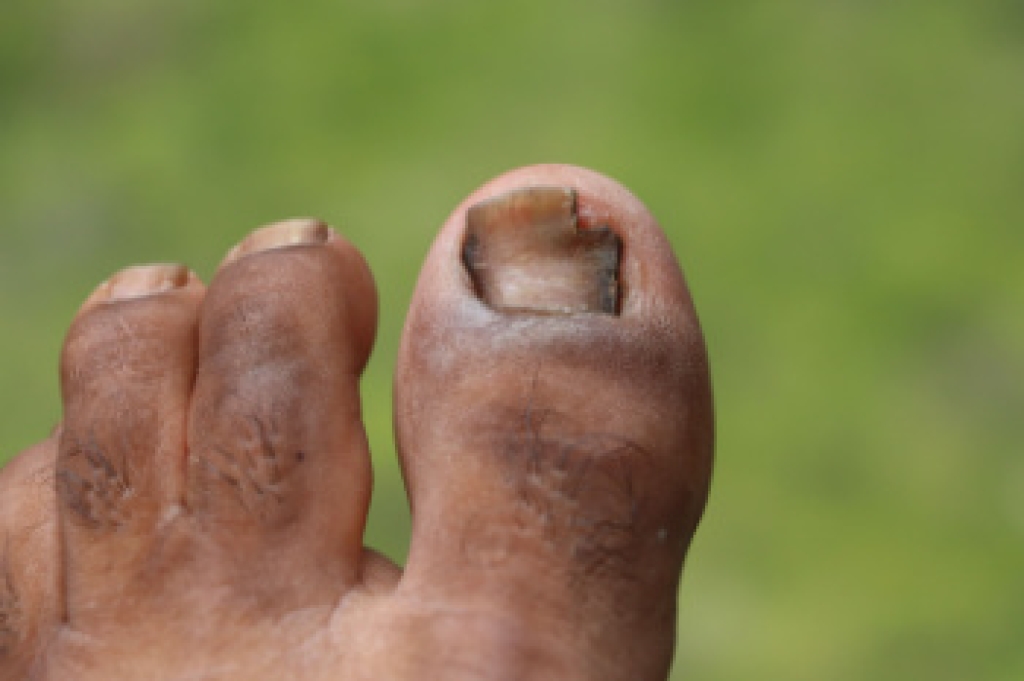
Burning or Tingling in the Foot Could Be Tarsal Tunnel Syndrome

Tarsal tunnel syndrome is a condition caused by pressure on the posterior tibial nerve as it passes through a narrow space on the inside of the ankle called the tarsal tunnel. This nerve provides sensation to the bottom of the foot, so irritation can cause unusual symptoms. People often describe burning, tingling, numbness, or sharp pain that travels into the heel, arch, or toes. Symptoms may worsen with long periods of standing or walking. The condition can develop after an ankle injury, from swelling in the area, or because of foot structure such as flat feet that place extra pressure on the nerve. Without treatment, nerve irritation may gradually worsen and interfere with daily activities. Early care can help reduce pressure on the nerve and relieve discomfort. If you notice persistent tingling, burning, or numbness in the foot, it is suggested that you see a podiatrist for a proper diagnosis and appropriate treatment.

Tarsal tunnel syndrome can be very uncomfortable to live with. If you are experiencing tarsal tunnel syndrome, contact one of our podiatrists of Mallette Foot & Ankle . Our practitioners can provide the care you need to keep you pain-free and on your feet.

Tarsal Tunnel Syndrome

Tarsal tunnel syndrome, which can also be called tibial nerve dysfunction, is an uncommon condition of misfiring peripheral nerves in the foot. The tibial nerve is the peripheral nerve in the leg responsible for sensation and movement of the foot and calf muscles. In tarsal tunnel syndrome, the tibial nerve is damaged, causing problems with movement and feeling in the foot of the affected leg.

Common Cause of Tarsal Tunnel Syndrome

  • Involves pressure or an injury, direct pressure on the tibial nerve for an extended period of time, sometimes caused by other body structures close by or near the knee.
  • Diseases that damage nerves, including diabetes, may cause tarsal tunnel syndrome.
  • At times, tarsal tunnel syndrome can appear without an obvious cause in some cases.

The Effects of Tarsal Tunnel Syndrome

  • Different sensations, an afflicted person may experience pain, tingling, burning or other unusual sensations in the foot of the affected leg.
  • The foot muscles, toes and ankle become weaker, and curling your toes or flexing your foot can become difficult.
  • If condition worsens, infections and ulcers may develop on the foot that is experiencing the syndrome.

A physical exam of the leg can help identify the presence of tarsal tunnel syndrome. Medical tests, such as a nerve biopsy, are also used to diagnose the condition. Patients may receive physical therapy and prescriptive medication. In extreme cases, some may require surgery.

If you have any questions please contact our offices located in Viera and Melbourne, FL . We offer the newest diagnostic and treatment technologies for all your foot and ankle needs.
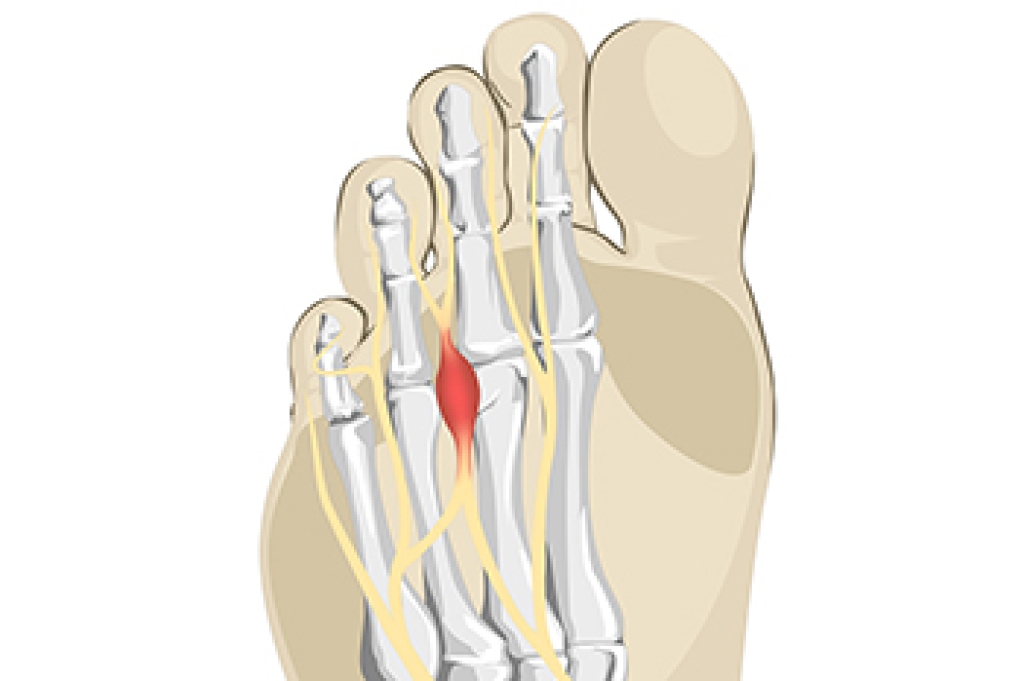

Read more about Treating Tarsal Tunnel Syndrome

Injection Therapy for Painful Morton Neuroma

Morton neuroma is a nerve-related condition that causes burning pain, tingling, or numbness in the ball of the foot. It usually develops between the third and fourth toes when the nerve becomes irritated and thickened from repeated pressure. Wearing tight shoes, high heels, and high impact activities often worsen the problem. When shoe changes, padding, and activity modification do not bring relief, injection therapy may be considered. This treatment involves carefully placing medication around the affected nerve to reduce inflammation and calm nerve irritation. Corticosteroid injections are commonly used to decrease swelling and pressure in the surrounding tissues. Some patients also receive alcohol-based injections that help shrink the enlarged nerve over time. These treatments are performed in a clinical setting and are designed to relieve pain while improving walking comfort. When persistent forefoot pain suggests Morton neuroma, a consultation with a podiatrist is suggested to discuss diagnosis and appropriate treatment options.

Morton’s neuroma is a very uncomfortable condition to live with. If you think you have Morton’s neuroma, contact one of our podiatrists of Mallette Foot & Ankle . Our practitioners will attend to all of your foot care needs and answer any of your related questions.  

Morton’s Neuroma

Morton's neuroma is a painful foot condition that commonly affects the areas between the second and third or third and fourth toe, although other areas of the foot are also susceptible. Morton’s neuroma is caused by an inflamed nerve in the foot that is being squeezed and aggravated by surrounding bones.

What Increases the Chances of Having Morton’s Neuroma?

  • Ill-fitting high heels or shoes that add pressure to the toe or foot
  • Jogging, running or any sport that involves constant impact to the foot
  • Flat feet, bunions, and any other foot deformities

Morton’s neuroma is a very treatable condition. Orthotics and shoe inserts can often be used to alleviate the pain on the forefront of the feet. In more severe cases, corticosteroids can also be prescribed. In order to figure out the best treatment for your neuroma, it’s recommended to seek the care of a podiatrist who can diagnose your condition and provide different treatment options.

If you have any questions, please feel free to contact our offices located in Viera and Melbourne, FL . We offer the newest diagnostic and treatment technologies for all your foot care needs.

Read more about Morton's Neuroma

Confident Steps in the Senior Years

As we age, the feet experience years of wear that can affect balance, comfort, and mobility. Skin becomes thinner, nails may thicken, and circulation often slows, making it easier for small problems to develop into bigger concerns. Many seniors also notice changes in sensation, which can make it harder to detect irritation, pressure, or early signs of infection. Regular attention to the feet helps maintain stability and prevents avoidable complications. Gentle daily washing and drying, proper moisture for the skin, and wearing well-fitted shoes that support the arch and heel all contribute to healthier steps. Routine checks for redness, swelling, or changes in nails are equally important. A podiatrist can identify issues such as calluses, arthritis, neuropathy, or circulation problems before they interfere with daily activities. Professional care also ensures nails are trimmed safely and any developing conditions are managed early. If discomfort, numbness, or skin changes begin to affect walking or balance, it is suggested that you see a podiatrist for thorough evaluation and guidance tailored to senior foot health.

Proper foot care is something many older adults forget to consider. If you have any concerns about your feet and ankles, contact one of our podiatrists from Mallette Foot & Ankle . Our practitioners can provide the care you need to keep you pain-free and on your feet.

The Elderly and Their Feet

As we age we start to notice many changes in our body, but the elder population may not notice them right away. Medical conditions may prevent the elderly to take notice of their foot health right away. Poor vision is a lead contributor to not taking action for the elderly.

Common Conditions 

  • Neuropathy – can reduce feeling in the feet and can hide many life-threatening medical conditions.
  • Reduced flexibility – prevents the ability of proper toenail trimming, and foot cleaning. If left untreated, it may lead to further medical issues.
  • Foot sores – amongst the older population can be serious before they are discovered. Some of the problematic conditions they may face are:
  • Gouging toenails affecting nearby toe
  • Shoes that don’t fit properly
  • Pressure sores
  • Loss of circulation in legs & feet
  • Edema & swelling of feet and ankles

Susceptible Infections

Diabetes and poor circulation can cause general loss of sensitivity over the years, turning a simple cut into a serious issue.

If you have any questions, please feel free to contact our offices located in Viera and Melbourne, FL . We offer the newest diagnostic and treatment technologies for all your foot care needs.

Read more about Elderly and their Feet

When a Toe Stays Bent

A hammertoe is a deformity in which one of the smaller toes bends downward at the middle joint, creating a curled or hammer-like appearance. This condition often develops gradually due to muscle imbalance, tight footwear, or structural foot changes like bunions. Over time, the toe may become stiff and difficult to straighten. Patients may notice redness, swelling, or corns forming on the top of the bent joint from rubbing against shoes. The toe can feel sore or irritated, especially when walking or wearing narrow shoe styles. In early stages, the deformity may still be flexible, but without treatment it can become rigid and more painful. A podiatrist begins with a detailed examination to determine whether the hammertoe is flexible or fixed and to identify contributing factors. Treatment may include shoe modifications, padding, custom orthotics, and targeted exercises to improve balance and alignment. In more advanced cases, surgical correction may be considered. If you have a hammertoe, it is suggested that you make an appointment with a podiatrist for proper evaluation and care.

Hammertoe

Hammertoes can be a painful condition to live with. For more information, contact one of our podiatrists from Mallette Foot & Ankle . Our practitioners will answer any of your foot- and ankle-related questions.

Hammertoe is a foot deformity that affects the joints of the second, third, fourth, or fifth toes of your feet. It is a painful foot condition in which these toes curl and arch up, which can often lead to pain when wearing footwear.

Symptoms

  • Pain in the affected toes
  • Development of corns or calluses due to friction
  • Inflammation
  • Redness
  • Contracture of the toes

Causes

Genetics – People who are genetically predisposed to hammertoe are often more susceptible

Arthritis – Because arthritis affects the joints in your toes, further deformities stemming from arthritis can occur

Trauma – Direct trauma to the toes could potentially lead to hammertoe

Ill-fitting shoes – Undue pressure on the front of the toes from ill-fitting shoes can potentially lead to the development of hammertoe

Treatment

Orthotics – Custom made inserts can be used to help relieve pressure placed on the toes and therefore relieve some of the pain associated with it

Medications – Oral medications such as anti-inflammatories or NSAIDs could be used to treat the pain and inflammation hammertoes causes. Injections of corticosteroids are also sometimes used

Surgery – In more severe cases where the hammertoes have become more rigid, foot surgery is a potential option

If you have any questions, please feel free to contact our offices located in Viera and Melbourne, FL . We offer the newest diagnostic and treatment technologies for all your foot care needs.

Read more about What Are Hammertoes?

Professional Care for Stubborn Toenail Fungus

Toenail fungus can slowly change the appearance and strength of the nails, causing thickening, discoloration, and crumbling that rarely improves without targeted treatment. Because the organisms responsible live beneath the nail surface, over-the-counter products often struggle to reach them. Professional evaluation allows a podiatrist to identify the specific type of fungus and choose an approach that can truly penetrate the nail and surrounding tissue. Options may include prescription topical medications, oral therapy, or advanced in-office treatments designed to clear the infection more effectively. Addressing the problem early helps prevent the fungus from spreading to other nails or the skin. Consistent care also encourages healthier new nail growth over time. If you are noticing ongoing changes in nail color, thickness, or texture, or if the infection keeps returning, it is suggested that you see a podiatrist for precise diagnosis and a treatment plan that actually works.

For more information about treatment, contact one of our podiatrists of Mallette Foot & Ankle . Our practitioners can provide the care you need to keep you pain-free and on your feet.

Toenail Fungus Treatment

Toenail fungus is a condition that affects many people and can be especially hard to get rid of. Fortunately, there are several methods to go about treating and avoiding it.

Antifungals & Deterrence

Oral antifungal medicine has been shown to be effective in many cases. It is important to consult with a podiatrist to determine the proper regiment for you, or potentially explore other options.

Applying foot powder on the feet and shoes helps keep the feet free of moisture and sweat.

Sandals or open toed shoes – Wearing these will allow air movement and help keep feet dry. They also expose your feet to light, which fungus cannot tolerate. Socks with moisture wicking material also help as well.

If you have any questions please contact our offices located in Viera and Melbourne, FL . We offer the newest diagnostic and treatment technologies for all your foot and ankle needs.
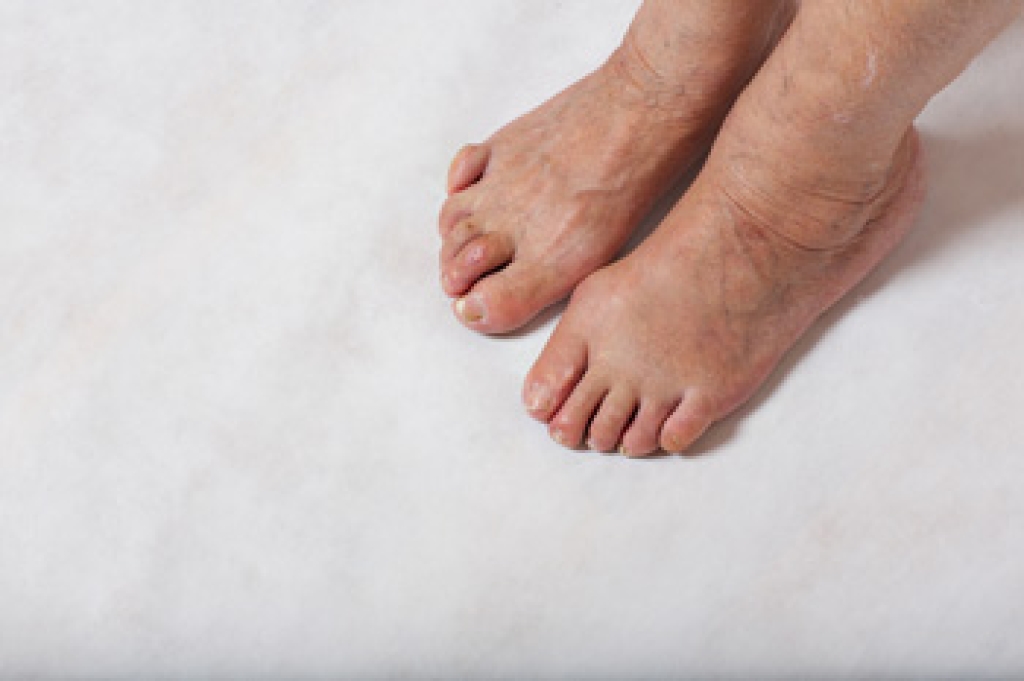
Read more about Toenail Fungus
scroll to top