
Foot Pain and When Surgery May Be Considered

Foot pain can often be managed with conservative care, but certain conditions may eventually require surgical treatment. Problems such as severe bunions, advanced arthritis, chronic tendon tears, and persistent nerve compression can cause ongoing pain and limit mobility, despite nonsurgical efforts. Recurrent ankle instability, fractures that do not heal properly, and deformities that interfere with walking may also lead to surgical discussion. In some cases, long-standing plantar fasciitis or painful hammertoes may warrant intervention when daily activities are consistently affected. Surgery is usually considered only after more conservative treatments like orthotics, targeted exercise, footwear changes, and activity modification have failed to provide relief. The goal is to reduce pain, restore function, and improve alignment so walking becomes more comfortable. Each condition requires careful evaluation to determine the most appropriate approach. When foot pain continues to interfere with daily life, it is suggested that you see a podiatrist for a proper diagnosis and treatment options, which may include foot surgery.

Foot surgery is sometimes necessary to treat a foot ailment. To learn more, contact one of our podiatrists of Mallette Foot & Ankle . Our practitioners will assist you with all of your foot and ankle needs.

When Is Surgery Necessary?

Foot and ankle surgery is generally reserved for cases in which less invasive, conservative procedures have failed to alleviate the problem. Some of the cases in which surgery may be necessary include:

  • Removing foot deformities like bunions and bone spurs
  • Severe arthritis that has caused bone issues
  • Cosmetic reconstruction

What Types of Surgery Are There?

The type of surgery you receive will depend on the nature of the problem you have. Some of the possible surgeries include:

  • Bunionectomy for painful bunions
  • Surgical fusion for realignment of bones
  • Neuropathy decompression surgery to treat nerve damage

Benefits of Surgery

Although surgery is usually a last resort, it can provide more complete pain relief compared to non-surgical methods and may allow you to finally resume full activity.

Surgical techniques have also become increasingly sophisticated. Techniques like endoscopic surgery allow for smaller incisions and faster recovery times.

If you have any questions, please feel free to contact our offices located in Viera and Melbourne, FL . We offer the newest diagnostic and treatment technologies for all your foot care needs.
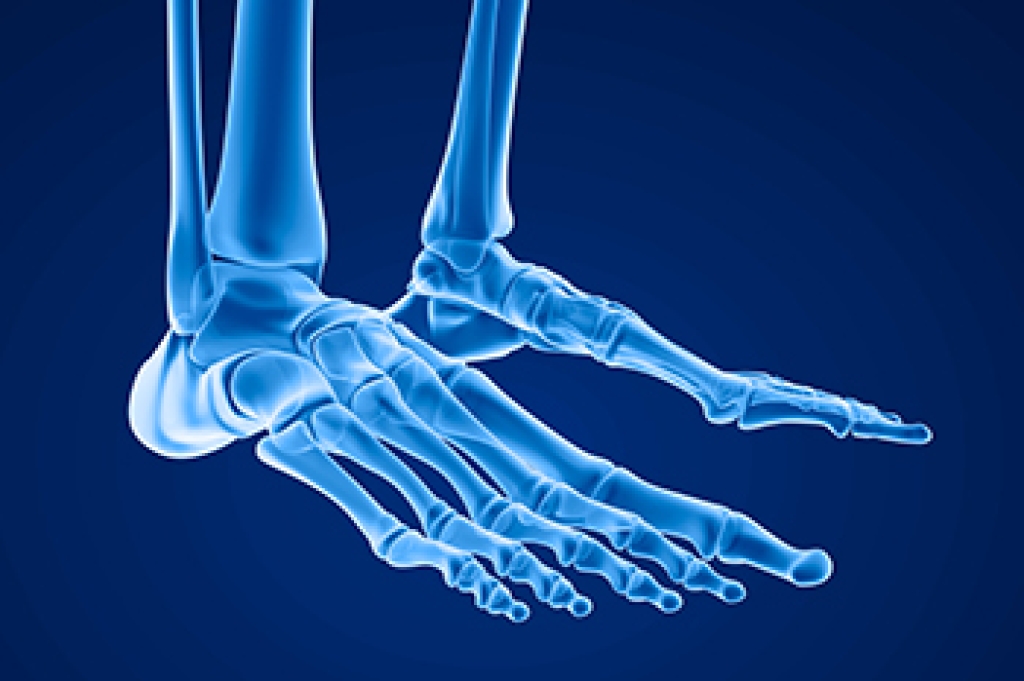

Read more about Foot Surgery

Foot and Ankle Biomechanics

Foot and ankle biomechanics play a vital role in the efficiency of walking and running. Proper movement of the hindfoot allows shock absorption and alignment at initial contact, while the midfoot provides stability and adapts to surface changes. The forefoot then generates propulsion and forward momentum during toe off. When these regions do not work together effectively, poor foot biomechanics can develop leading to decreased performance in sports and everyday life and a higher risk of lower extremity injuries, such as plantar fasciitis, shin splints, and knee pain. A podiatrist can evaluate gait mechanics, identify imbalances, and recommend custom orthotics, footwear guidance, and targeted treatment to improve function and reduce injury risk. If you have foot pain from walking or running, it is suggested that you consult a podiatrist who can treat various foot conditions, and guide you on suitable footwear for your desired activity.

If you have any concerns about your feet, contact one of our podiatrists from Mallette Foot & Ankle . Our practitioners can provide the care you need to keep you pain-free and on your feet.

Biomechanics in Podiatry

Podiatric biomechanics is a particular sector of specialty podiatry with licensed practitioners who are trained to diagnose and treat conditions affecting the foot, ankle and lower leg. Biomechanics deals with the forces that act against the body, causing an interference with the biological structures. It focuses on the movement of the ankle, the foot and the forces that interact with them.

A History of Biomechanics

  • Biomechanics dates back to the BC era in Egypt where evidence of professional foot care has been recorded.
  • In 1974, biomechanics gained a higher profile from the studies of Merton Root, who claimed that by changing or controlling the forces between the ankle and the foot, corrections or conditions could be implemented to gain strength and coordination in the area.

Modern technological improvements are based on past theories and therapeutic processes that provide a better understanding of podiatric concepts for biomechanics. Computers can provide accurate information about the forces and patterns of the feet and lower legs.

Understanding biomechanics of the feet can help improve and eliminate pain, stopping further stress to the foot.

If you have any questions please feel free to contact our offices located in Viera and Melbourne, FL . We offer the newest diagnostic and treatment technologies for all your foot and ankle needs.

Read more about The Importance of Biomechanics in Podiatry

Understanding Two Common Types of Arthritis in the Feet

Osteoarthritis and rheumatoid arthritis both affect joints, but they develop in very different ways. Osteoarthritis is a wear-related condition that occurs when joint cartilage gradually breaks down over time. In the feet, it often causes stiffness, aching, and pain that worsens with activity and improves with rest. Rheumatoid arthritis is an autoimmune disease in which the immune system attacks joint lining. This leads to inflammation, swelling, warmth, and pain that may affect both feet symmetrically. Symptoms often feel worse in the morning or after periods of rest. Rheumatoid arthritis can also cause joint deformity if left untreated. Treatment approaches differ. Osteoarthritis care focuses on reducing stress on joints and improving movement, while rheumatoid arthritis requires medical management to control inflammation and protect joints. If foot pain, stiffness, or swelling persists, it is suggested that you see a podiatrist for an evaluation and treatment guidance.

Arthritis can be a difficult condition to live with. If you are seeking treatment, contact one of our podiatrists from Mallette Foot & Ankle . Our practitioners can provide the care you need to keep you pain-free and on your feet.

Arthritic Foot Care  

Arthritis is a joint disorder that involves the inflammation of different joints in your body, such as those in your feet. Arthritis is often caused by a degenerative joint disease and causes mild to severe pain in all affected areas. In addition to this, swelling and stiffness in the affected joints can also be a common symptom of arthritis.

In many cases, wearing ill-fitting shoes can worsen the effects and pain of arthritis. Wearing shoes that have a lower heel and extra room can help your feet feel more comfortable. In cases of rheumatoid arthritis, the arch in your foot may become problematic. Buying shoes with proper arch support that contour to your feet can help immensely.

Alleviating Arthritic Pain

  • Exercises that stretch the foot can prevent further pain and injury and increase mobility
  • Most of the pain can be alleviated with anti-inflammatory drugs, heat, and topical medications
  • Massages can help temporarily alleviate pain.

It is best to see your doctor for the treatment that is right for your needs and symptoms. Conditions vary, and a podiatrist can help you determine the right method of care for your feet.

If you have any questions please feel free to contact our offices located in Viera and Melbourne, FL . We offer the newest diagnostic tools and technology to treat your foot and ankle needs.

Read more about Arthritic Foot Care

Facts About a Broken Foot

A broken foot refers to a fracture in one or more bones of the foot that disrupts normal movement and weight-bearing. Healing time can vary depending on the location and severity of the fracture, overall health, and how well the foot is protected during recovery. Common symptoms include pain, swelling, bruising, tenderness, and difficulty standing or walking. Causes often involve falls, sports injuries, repetitive stress, or direct impact. Risk factors include osteoporosis, overuse, wearing improper footwear, and high-impact activities. A podiatrist can accurately diagnose the injury using a physical examination and imaging, create a personalized treatment plan, and monitor healing progress. If you have symptoms of a broken foot, it is suggested that you promptly consult a podiatrist who can provide an accurate diagnosis and treatment.

A broken foot requires immediate medical attention and treatment. If you need your feet checked, contact one of our podiatrists from Mallette Foot & Ankle . Our practitioners can provide the care you need to keep you pain-free and on your feet.

Broken Foot Causes, Symptoms, and Treatment

A broken foot is caused by one of the bones in the foot typically breaking when bended, crushed, or stretched beyond its natural capabilities. Usually the location of the fracture indicates how the break occurred, whether it was through an object, fall, or any other type of injury. 

Common Symptoms of Broken Feet:

  • Bruising
  • Pain
  • Redness
  • Swelling
  • Blue in color
  • Numbness
  • Cold
  • Misshapen
  • Cuts
  • Deformities

Those that suspect they have a broken foot shoot seek urgent medical attention where a medical professional could diagnose the severity.

Treatment for broken bones varies depending on the cause, severity and location. Some will require the use of splints, casts or crutches while others could even involve surgery to repair the broken bones. Personal care includes the use of ice and keeping the foot stabilized and elevated.

If you have any questions, please feel free to contact our offices located in Viera and Melbourne, FL . We offer the newest diagnostic and treatment technologies for all your foot care needs.
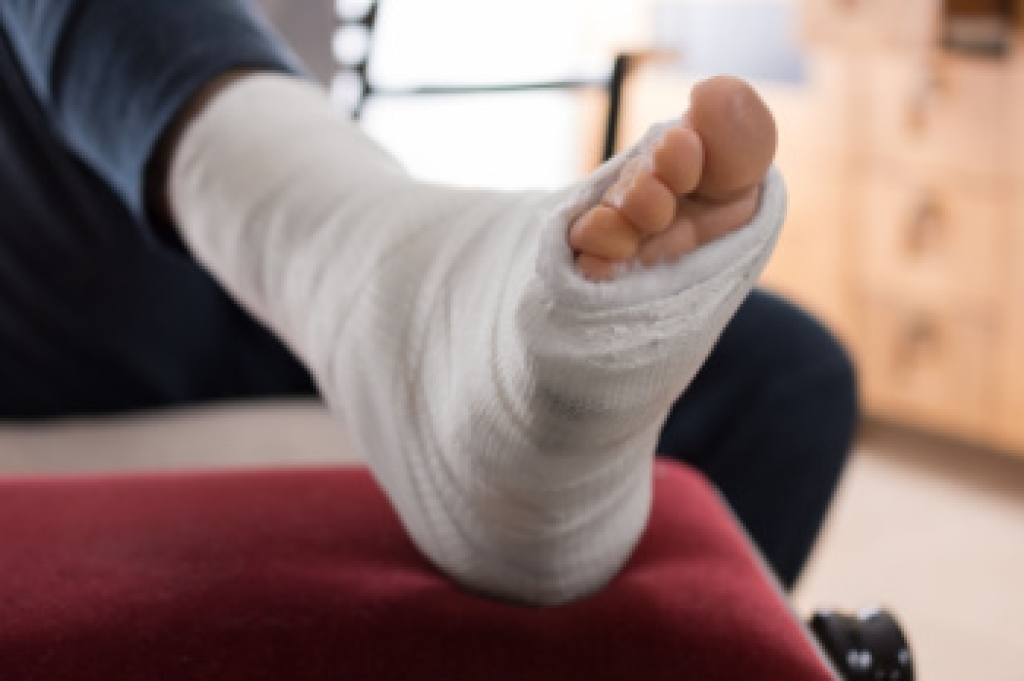
Read more about Causes, Symptoms, and Treatment for a Broken Foot
scroll to top