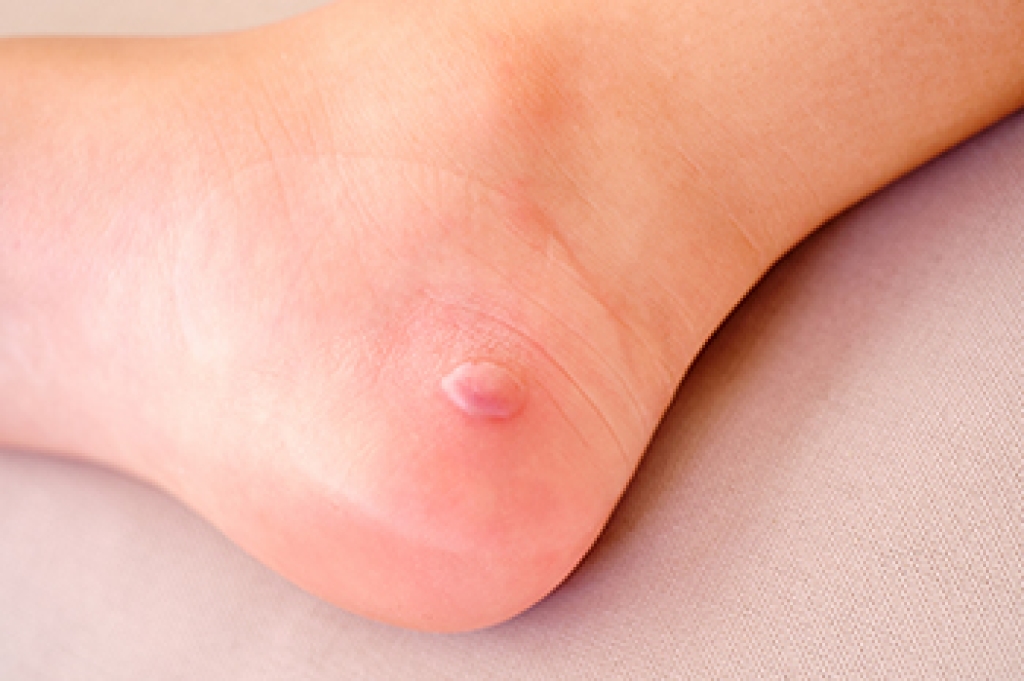
Why Friction Blisters Form on the Feet

Foot friction blisters develop when repeated rubbing damages the top layers of skin. This commonly happens during long walks, new exercise routines, or when wearing shoes that do not fit properly. Moisture from sweat softens the skin, making it more vulnerable to injury. As the skin rubs against socks or shoes, fluid collects under the surface, creating a painful bubble. Blisters often form on heels, toes, or the ball of the foot where pressure and movement are greatest. Redness, tenderness, and burning may appear before the blister becomes visible. Although many blisters heal on their own, broken skin increases the risk of infection, especially in people with circulation or nerve issues. Wearing proper footwear, moisture control, and early care can reduce problems. If foot blisters are frequent, painful, or slow to heal, it is suggested that you see a podiatrist for appropriate treatment and prevention tips.

Blisters are prone to making everyday activities extremely uncomfortable. If your feet are hurting, contact one of our podiatrists of Mallette Foot & Ankle . Our practitioners can provide the care you need to keep you pain-free and on your feet.

Foot Blisters

Foot blisters develop as a result of constantly wearing tight or ill-fitting footwear. This happens due to the constant rubbing from the shoe, which can often lead to pain.

What Are Foot Blisters?

A foot blister is a small fluid-filled pocket that forms on the upper-most layer of the skin. Blisters are filled with clear fluid and can lead to blood drainage or pus if the area becomes infected.

How Do Blisters Form?

Blisters on the feet are often the result of constant friction of skin and material, usually by shoe rubbing. Walking in sandals, boots, or shoes that don’t fit properly for long periods of time can result in a blister. Having consistent foot moisture and humidity can easily lead to blister formation.

Prevention & Treatment

It is important to properly care for the affected area in order to prevent infection and ease the pain. Do not lance the blister and use a Band-Aid to provide pain relief. Also, be sure to keep your feet dry and wear proper fitting shoes. If you see blood or pus in a blister, seek assistance from a podiatrist.

If you have any questions, please feel free to contact our offices located in Viera and Melbourne, FL . We offer the newest diagnostic and treatment technologies for all your foot care needs.


Read more about Blisters on the Feet

Caring for A Diabetic Foot Ulcer

A diabetic foot ulcer needs attentive, steady care because even a small wound can become a significant concern, if it is overlooked. High blood sugar can slow healing and reduce sensation, making it easy for an ulcer to progress without obvious warning signs. Keeping the area clean and protected helps limit infection risk, while avoiding pressure on the sore gives the tissue a chance to repair. Checking your feet every day allows you to notice redness, drainage, swelling, or warmth before the problem advances. Wearing supportive footwear and having balanced blood sugar levels also play important roles in recovery. Since each ulcer requires a tailored approach, early evaluation ensures the right treatment, which may include specialized dressings or advanced wound therapies. If you see a foot sore that is not improving or feels different than usual, it is suggested that you see a podiatrist for an accurate diagnosis and appropriate care.

Wound care is an important part in dealing with diabetes. If you have diabetes and a foot wound or would like more information about wound care for diabetics, consult with one of our podiatrists from Mallette Foot & Ankle . Our practitioners will assess your condition and provide you with quality foot and ankle treatment.

What Is Wound Care?

Wound care is the practice of taking proper care of a wound. This can range from the smallest to the largest of wounds. While everyone can benefit from proper wound care, it is much more important for diabetics. Diabetics often suffer from poor blood circulation which causes wounds to heal much slower than they would in a non-diabetic. 

What Is the Importance of Wound Care?

While it may not seem apparent with small ulcers on the foot, for diabetics, any size ulcer can become infected. Diabetics often also suffer from neuropathy, or nerve loss. This means they might not even feel when they have an ulcer on their foot. If the wound becomes severely infected, amputation may be necessary. Therefore, it is of the upmost importance to properly care for any and all foot wounds.

How to Care for Wounds

The best way to care for foot wounds is to prevent them. For diabetics, this means daily inspections of the feet for any signs of abnormalities or ulcers. It is also recommended to see a podiatrist several times a year for a foot inspection. If you do have an ulcer, run the wound under water to clear dirt from the wound; then apply antibiotic ointment to the wound and cover with a bandage. Bandages should be changed daily and keeping pressure off the wound is smart. It is advised to see a podiatrist, who can keep an eye on it.

If you have any questions please contact our offices located in Viera and Melbourne, FL . We offer the newest diagnostic and treatment technologies for all your foot and ankle needs.

Read more about Wound Care

Tarsal Tunnel Syndrome and Foot Nerve Pain

Tarsal tunnel syndrome is a condition caused by compression of the tibial nerve as it travels through a narrow passage on the inside of the ankle. This nerve irritation can lead to symptoms such as tingling, burning, numbness, or sharp pain that may radiate into the foot or toes. Symptoms often worsen with prolonged standing or walking. Common causes include flat feet, ankle injuries, swelling, or masses that place pressure on the nerve. Risk factors may include overuse, diabetes, arthritis, or prolonged standing. A podiatrist can diagnose tarsal tunnel syndrome through a physical examination and imaging, then create a personalized treatment plan. Care may include orthotics, activity modification, or advanced therapies to reduce nerve pressure. If you have persistent burning or numbness in your foot, it is suggested that you schedule an appointment with a podiatrist who can accurately diagnose and treat what may be going on.

Tarsal tunnel syndrome can be very uncomfortable to live with. If you are experiencing tarsal tunnel syndrome, contact one of our podiatrists of Mallette Foot & Ankle . Our practitioners can provide the care you need to keep you pain-free and on your feet.

Tarsal Tunnel Syndrome

Tarsal tunnel syndrome, which can also be called tibial nerve dysfunction, is an uncommon condition of misfiring peripheral nerves in the foot. The tibial nerve is the peripheral nerve in the leg responsible for sensation and movement of the foot and calf muscles. In tarsal tunnel syndrome, the tibial nerve is damaged, causing problems with movement and feeling in the foot of the affected leg.

Common Cause of Tarsal Tunnel Syndrome

  • Involves pressure or an injury, direct pressure on the tibial nerve for an extended period of time, sometimes caused by other body structures close by or near the knee.
  • Diseases that damage nerves, including diabetes, may cause tarsal tunnel syndrome.
  • At times, tarsal tunnel syndrome can appear without an obvious cause in some cases.

The Effects of Tarsal Tunnel Syndrome

  • Different sensations, an afflicted person may experience pain, tingling, burning or other unusual sensations in the foot of the affected leg.
  • The foot muscles, toes and ankle become weaker, and curling your toes or flexing your foot can become difficult.
  • If condition worsens, infections and ulcers may develop on the foot that is experiencing the syndrome.

A physical exam of the leg can help identify the presence of tarsal tunnel syndrome. Medical tests, such as a nerve biopsy, are also used to diagnose the condition. Patients may receive physical therapy and prescriptive medication. In extreme cases, some may require surgery.

If you have any questions please contact our offices located in Viera and Melbourne, FL . We offer the newest diagnostic and treatment technologies for all your foot and ankle needs.

Read more about Tarsal Tunnel Syndrome

What a Bunion Is and How It Affects the Foot

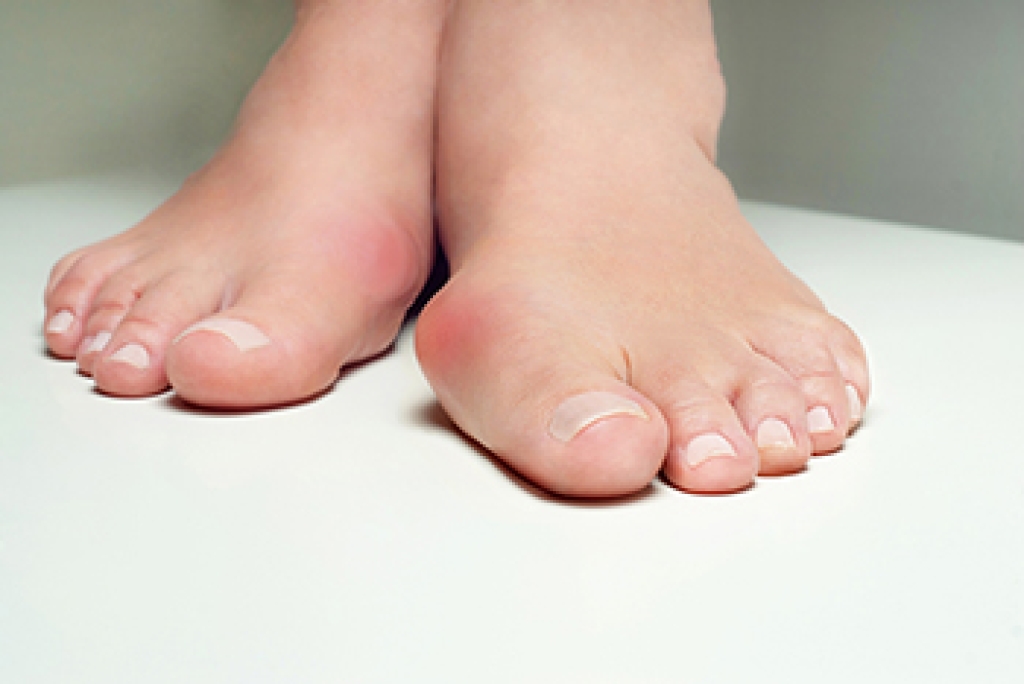
A bunion is a foot condition defined by a structural change at the joint where the big toe meets the foot. It appears as a bony prominence along the inside of the foot, often accompanied by swelling or redness. Bunions develop due to abnormal joint mechanics, inherited foot structure, or prolonged pressure from narrow footwear. Over time, the big toe may drift toward the smaller toes, altering normal foot function. Symptoms include joint pain, stiffness, tenderness, and difficulty walking comfortably. A podiatrist can properly diagnose the condition and determine its severity. Treatment may involve shoe recommendations, custom orthotics, joint support, and strategies to reduce inflammation and prevent progression. If you have developed a bunion, it is suggested that you consult a podiatrist who can offer effective management solutions.

If you are suffering from bunions, contact one of our podiatrists of Mallette Foot & Ankle . Our practitioners can provide the care you need to keep you pain-free and on your feet.

What Is a Bunion?

A bunion is formed of swollen tissue or an enlargement of boney growth, usually located at the base joint of the toe that connects to the foot. The swelling occurs due to the bones in the big toe shifting inward, which impacts the other toes of the foot. This causes the area around the base of the big toe to become inflamed and painful.

Why Do Bunions Form?

Genetics – Susceptibility to bunions are often hereditary

Stress on the feet – Poorly fitted and uncomfortable footwear that places stress on feet, such as heels, can worsen existing bunions

How Are Bunions Diagnosed?

Podiatrists often perform two tests – blood tests and x-rays – when trying to diagnose bunions, especially in the early stages of development. Blood tests help determine if the foot pain is being caused by something else, such as arthritis, while x-rays provide a clear picture of your bone structure to your provider.

How Are Bunions Treated?

  • Refrain from wearing heels or similar shoes that cause discomfort
  • Select wider shoes that can provide more comfort and reduce pain
  • Anti-inflammatory and pain management drugs
  • Orthotics or foot inserts
  • Surgery

If you have any questions, please feel free to contact our offices located in Viera and Melbourne, FL . We offer the newest diagnostic and treatment technologies for all your foot care needs.
Read more about Bunions
scroll to top