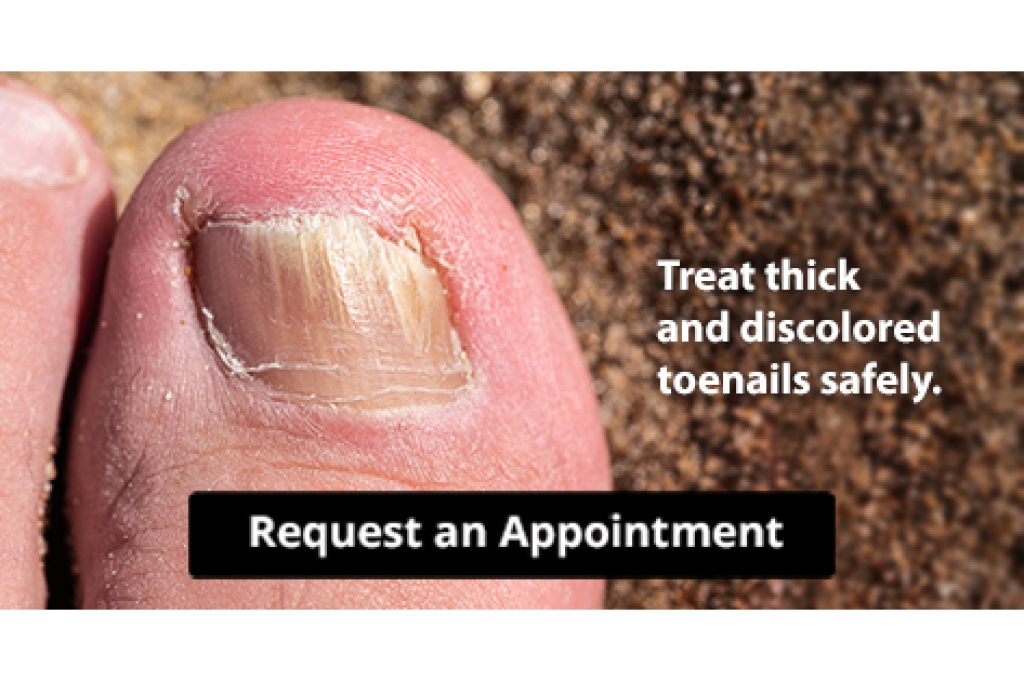
Have you noticed discoloration of your toenails? Have they become thickened or brittle? If so, you may be experiencing symptoms of a fungal nail infection. For some, having a fungal nail can be embarrassing. Overcome your embarrassment, and get treated.
Heel pain can make walking, exercising, or standing uncomfortable. It may develop suddenly after an injury, or build slowly from repeated stress. Common causes include heel fracture, plantar fasciitis, and Achilles tendonitis. Each condition affects the heel differently, so identifying the source of pain is important for effective treatment. Heel pain can also be related to footwear, overuse, or changes in foot mechanics. Certain activity in everyday life may also contribute.
A heel fracture usually results from a hard impact, such as a fall from a height. Symptoms include severe pain, swelling, and difficulty putting weight on the foot. Risk factors include high-impact activities, weakened bones, and previous injuries. A podiatrist may use X-rays or other imaging tests to evaluate the heel bone. Treatment can involve immobilization, protected weight-bearing, or surgery when the fracture is severe.
Plantar fasciitis develops when the thick band of tissue beneath the foot becomes irritated. Pain in the heel is often strongest with the first steps after waking or resting. Risk factors include increased activity, unsupportive shoes, and tight calf muscles. Achilles tendonitis affects the tendon connecting the calf muscles to the heel bone. It may cause pain, tenderness, or stiffness near the back of the heel. Running, jumping, or sudden training changes can increase risk.
A podiatrist begins by reviewing symptoms, activities, and injury history before examining the foot and ankle. Treatment may include activity changes, supportive footwear, or custom orthotics when appropriate. For fractures, the foot may need protection and gradual return to weight-bearing. Persistent tendon or plantar fascia problems may require additional treatments based on the condition. If heel pain continues, worsens, or interferes with daily activities, it is suggested that you consult a podiatrist for an accurate diagnosis and appropriate treatment.
Many people suffer from bouts of heel pain. For more information, contact one of our podiatrists of Mallette Foot & Ankle . Our practitioners can provide the care you need to keep you pain-free and on your feet.
Causes of Heel Pain
Heel pain is often associated with plantar fasciitis. The plantar fascia is a band of tissues that extends along the bottom of the foot. A rip or tear in this ligament can cause inflammation of the tissue.
Achilles tendonitis is another cause of heel pain. Inflammation of the Achilles tendon will cause pain from fractures and muscle tearing. Lack of flexibility is also another symptom.
Heel spurs are another cause of pain. When the tissues of the plantar fascia undergo a great deal of stress, it can lead to ligament separation from the heel bone, causing heel spurs.
Why Might Heel Pain Occur?
Wearing ill-fitting shoes
Wearing non-supportive shoes
Weight change
Excessive running
Treatments
Heel pain should be treated as soon as possible for immediate results. Keeping your feet in a stress-free environment will help. If you suffer from Achilles tendonitis or plantar fasciitis, applying ice will reduce the swelling. Stretching before an exercise like running will help the muscles. Using all these tips will help make heel pain a condition of the past.
If you have any questions, please feel free to contact our offices located in Vieraand Melbourne, FL. We offer the newest diagnostic and treatment technologies for all your foot care needs.
Foot wounds can become serious when they do not move through the normal healing process. A wound that fails to heal properly over time is considered a chronic wound. Several types can affect the lower legs and feet, including diabetic, arterial, and pressure ulcers. Diabetic foot ulcers often develop because nerve damage can reduce the ability to feel pain or repeated injury. Poor circulation can further interfere with healing. Chronic wounds require careful evaluation because their cause influences the type of treatment that may be needed.
Evaluating a non-healing foot wound involves more than examining the injured skin. Medical professionals consider the wound’s location, size, and depth. They may also evaluate drainage and the type of tissue within the wound. Blood flow is especially important because poor circulation can prevent damaged tissue from healing normally. Diabetic foot ulcers commonly develop on the toes or the bottom of the forefoot and may be surrounded by thick callused skin. Some wounds can extend into deeper tissues. Imaging may be needed when there is concern that an infection has reached the bone.
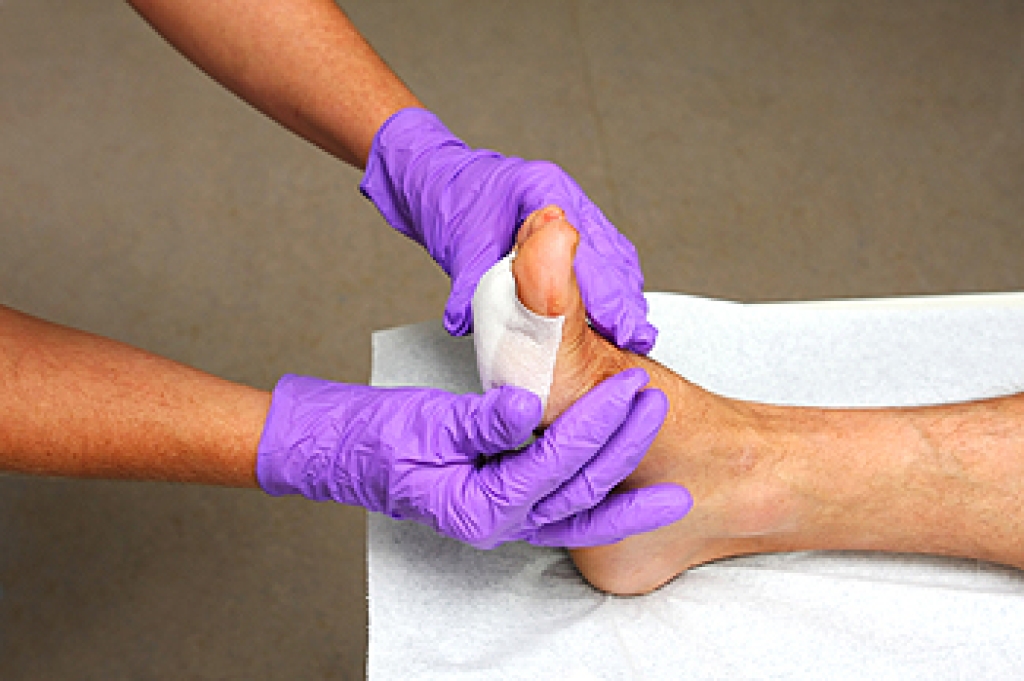
A podiatrist can evaluate a foot wound, identify factors interfering with healing, and determine an appropriate wound-care plan. Treatment depends on the type of wound and its underlying cause. Professional care may involve removing dead tissue, controlling infection, and selecting appropriate dressings. For diabetic foot ulcers, reducing pressure on the affected area is also an important part of treatment. A podiatrist can also evaluate circulation and nerve function to identify problems that may affect healing. Certain wounds may require coordinated treatment with vascular or other medical specialists. Early professional attention is important because chronic foot wounds can lead to deeper infection and other serious complications. If you have a foot wound that is not healing normally or continues to worsen, it is suggested that you consult a podiatrist for an evaluation and appropriate wound-care treatment.
Wound care is an important part in dealing with diabetes. If you have diabetes and a foot wound or would like more information about wound care for diabetics, consult with one of our podiatrists from Mallette Foot & Ankle . Our practitioners will assess your condition and provide you with quality foot and ankle treatment.
What Is Wound Care?
Wound care is the practice of taking proper care of a wound. This can range from the smallest to the largest of wounds. While everyone can benefit from proper wound care, it is much more important for diabetics. Diabetics often suffer from poor blood circulation which causes wounds to heal much slower than they would in a non-diabetic.
What Is the Importance of Wound Care?
While it may not seem apparent with small ulcers on the foot, for diabetics, any size ulcer can become infected. Diabetics often also suffer from neuropathy, or nerve loss. This means they might not even feel when they have an ulcer on their foot. If the wound becomes severely infected, amputation may be necessary. Therefore, it is of the upmost importance to properly care for any and all foot wounds.
How to Care for Wounds
The best way to care for foot wounds is to prevent them. For diabetics, this means daily inspections of the feet for any signs of abnormalities or ulcers. It is also recommended to see a podiatrist several times a year for a foot inspection. If you do have an ulcer, run the wound under water to clear dirt from the wound; then apply antibiotic ointment to the wound and cover with a bandage. Bandages should be changed daily and keeping pressure off the wound is smart. It is advised to see a podiatrist, who can keep an eye on it.
If you have any questions please contact our offices located in Vieraand Melbourne, FL. We offer the newest diagnostic and treatment technologies for all your foot and ankle needs.
Cracked heels develop when the skin around the heel becomes dry, thick, and less flexible. As pressure increases during standing or walking, the skin can split and form painful openings. Symptoms include dryness, rough skin, or bleeding. Causes include dry weather, prolonged standing, and inadequate moisture. Simple preventive habits can help keep heel skin stronger and more resilient daily.
Diabetes can significantly increase the risk of cracked heels because elevated blood sugar may affect circulation, nerve function, and the body’s ability to repair damaged skin. Nerve changes can reduce sensation, making it harder to notice dryness or small cracks. Reduced circulation can limit oxygen and nutrients needed for healing. Diabetes may also increase infection risk. Cracked skin can become deeper and potentially develop into a more serious wound when left untreated.
Risk factors for cracked heels include dry skin, aging, and wearing unsupportive footwear. Cold or dry weather may remove moisture from the skin and make cracking worse. A podiatrist can examine the heels, assess skin condition, and look for signs of infection. Treatment may include safely reducing thickened skin, recommending moisturizing products, and addressing pressure from footwear.
Preventing cracked heels starts with consistent foot care. Use recommended moisturizers regularly, wear supportive shoes, and avoid walking barefoot. Check your feet each day for redness, cracks, or other changes. If a crack becomes painful, swollen, or slow to heal, prompt professional evaluation is important, especially with diabetes. A podiatrist can create an appropriate care plan and monitor healing to reduce complications. If you have diabetes and have developed cracked heels, it is suggested that you are under the care of a podiatrist for effective relief tips, and guidance on diabetic foot care.
If the skin on your feet starts to crack, you may want to see a podiatrist to find treatment. If you have any concerns, contact one of our podiatrists from Mallette Foot & Ankle . Our practitioners can provide the care you need to keep you pain-free and on your feet.
Cracked Heels
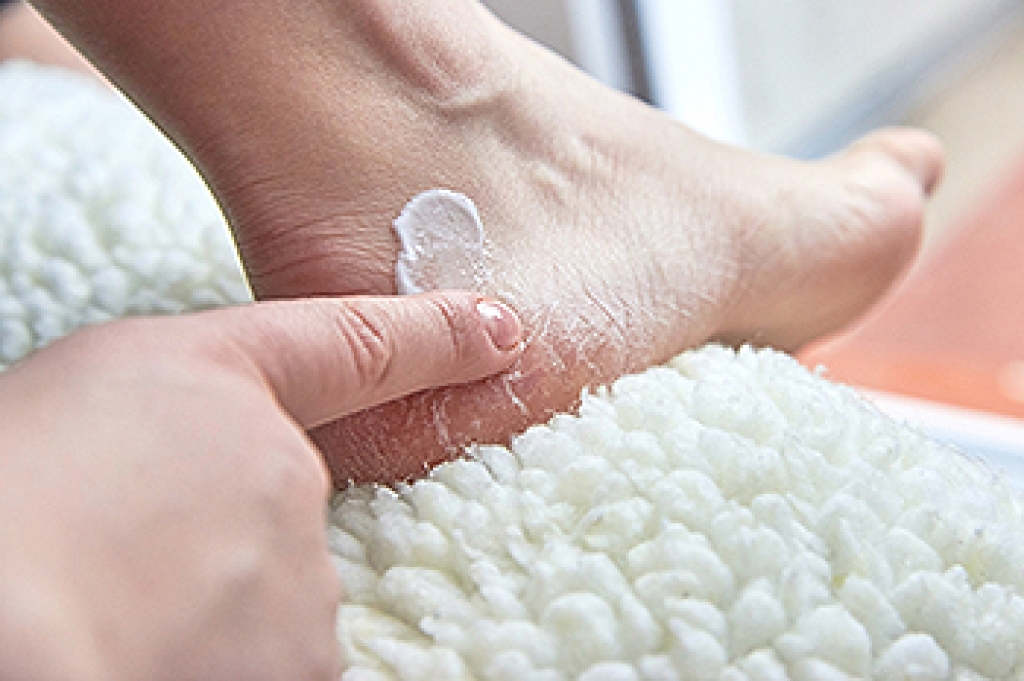
It is important to moisturize your cracked heels in order to prevent pain, bleeding, and infection. The reason cracked heels form is because the skin on the foot is too dry to support the immense pressure placed on them. When the foot expands, the dry skin on the foot begins to split.
Ways to Help Heal Them
Invest in a good foot cream
Try Using Petroleum Jelly
Ease up on Soaps
Drink Plenty of Water
Ways to Prevent Cracked Heels
Moisturize After Showering
Skip a Shower
Keep Shower Water Lukewarm
Don’t Scrub Your Feet
If you are unsure how to proceed in treating cracked heels, seek guidance from a podiatrist. Your doctor will help you with any questions or information you may need.
If you have any questions, please feel free to contact our offices located in Vieraand Melbourne, FL. We offer the newest diagnostic and treatment technologies for all your foot care needs.
Gout is a form of inflammatory arthritis that develops when uric acid builds up in the body. Excess uric acid can form sharp crystals inside a joint, causing sudden inflammation. Symptoms often include severe joint pain, swelling, and tenderness. The big toe is a common location, although gout can affect other joints. Attacks may begin suddenly and become intense within hours.
Several factors can increase the likelihood of developing gout. Risk is higher for people with elevated uric acid levels, kidney disease, or a family history of gout. Obesity can also contribute to increased risk. Diets high in certain purine-rich foods may raise uric acid. Alcohol consumption and some medications can also affect uric acid levels. Gout becomes more common with age, particularly among adults with other health concerns.
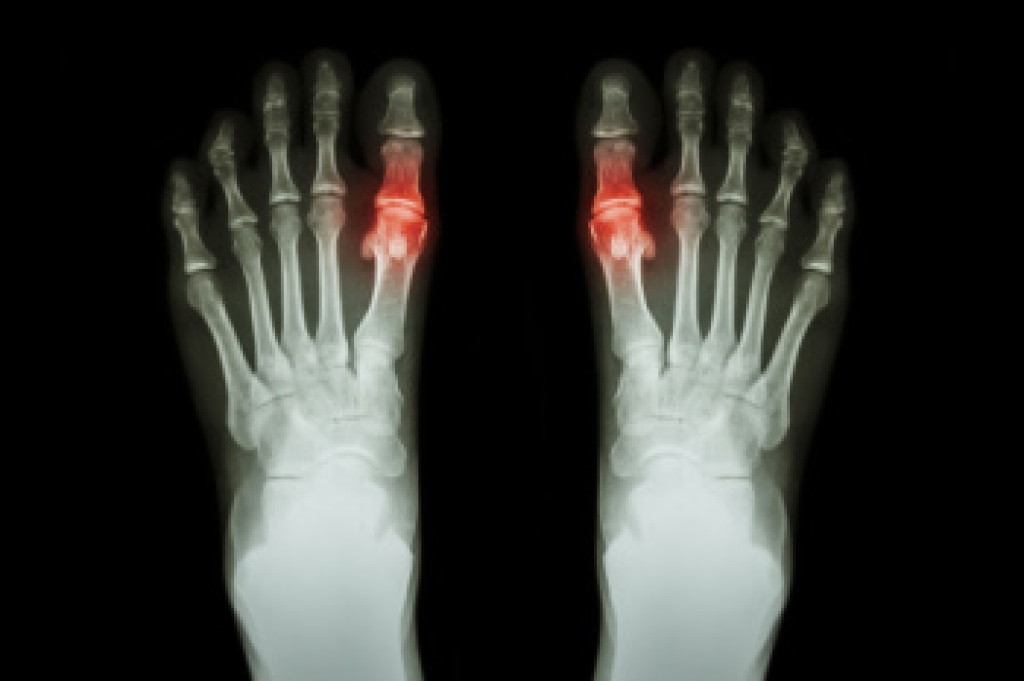
Testing for gout starts with a podiatrist reviewing your symptoms and examining the affected joint. A blood test can measure uric acid levels, but a normal result does not always rule out gout during an active attack. Joint fluid analysis provides stronger confirmation by checking fluid for uric acid crystals. During this test, fluid is carefully removed from the joint and examined. X-rays may help rule out other causes. Ultrasound imaging can detect crystal deposits around the joint.
Once gout is identified, a podiatrist can recommend treatment based on your symptoms and medical history. Treatment may include medication to reduce inflammation during an attack. Long-term management may involve medications that lower uric acid, when medically appropriate. Rest, wearing comfortable footwear, and reducing pressure on the painful joint can also improve comfort. Early evaluation can help prevent repeated attacks and joint damage. If you have symptoms of gout, it is suggested that you are under the care of a podiatrist who can help you to manage this potentially painful condition.
Gout is a painful condition that can be treated. If you are seeking treatment, contact one of our podiatrists from Mallette Foot & Ankle . Our practitioners will treat your foot and ankle needs.
What Is Gout?
Gout is a form of arthritis that is characterized by sudden, severe attacks of pain, redness, and tenderness in the joints. The condition usually affects the joint at the base of the big toe. A gout attack can occur at any random time, such as the middle of the night while you are asleep.
Symptoms
Intense Joint Pain - Usually around the large joint of your big toe, and it most severe within the first four to twelve hours
Lingering Discomfort - Joint discomfort may last from a few days to a few weeks
Inflammation and Redness -Affected joints may become swollen, tender, warm and red
Limited Range of Motion - May experience a decrease in joint mobility
Risk Factors
Genetics - If family members have gout, you’re more likely to have it
Medications - Diuretic medications can raise uric acid levels
Gender/Age - Gout is more common in men until the age of 60. It is believed that estrogen protects women until that point
Diet - Eating red meat and shellfish increases your risk
Alcohol - Having more than two alcoholic drinks per day increases your risk
Obesity - Obese people are at a higher risk for gout
Prior to visiting your podiatrist to receive treatment for gout, there are a few things you should do beforehand. If you have gout you should write down your symptoms--including when they started and how often you experience them, important medical information you may have, and any questions you may have. Writing down these three things will help your podiatrist in assessing your specific situation so that he or she may provide the best route of treatment for you.
If you have any questions, please feel free to contact our offices located in Vieraand Melbourne, FL. We offer the newest diagnostic and treatment technologies for all your foot care needs.